
The secret to a smooth move is not packing fast. It is packing organized. To organize your moving boxes, pack one room per box, label each box by room and contents, number them, and keep a simple list of what is where. Do this and unpacking turns from a treasure hunt into a quick sort. Skip it, and you will spend day one at the new place opening ten boxes to find a phone charger.
I have seen both kinds of move. The organized one is calm. The messy one is a pile of unmarked boxes and a lot of guessing. Here is how to do the calm version.
How to Organize Moving Boxes (Quick Answer)
Use this simple system:
- Pack one room per box. Do not mix rooms.
- Label the room and main contents on the side of the box.
- Number every box and note fragile ones.
- Keep a master list of box numbers and what is inside.
- Mark the boxes you want to open first.
That is the whole system. The rest of this guide shows you how to make it work.
Step 1: Pack One Room Per Box
The biggest mistake is throwing random items into one box to fill it. It saves a minute now and costs you an hour later.
Keep each box to one room. Kitchen items with kitchen items. Bathroom with bathroom. When a box holds one room, it goes straight to that room at the new place, and everything inside belongs together. Unpacking gets simple.
If a box has space left, fill it with soft items from the same room, like towels or linens, not random things from across the house.
Step 2: Label Every Box Clearly
A good label tells you two things at a glance: which room, and what is inside.
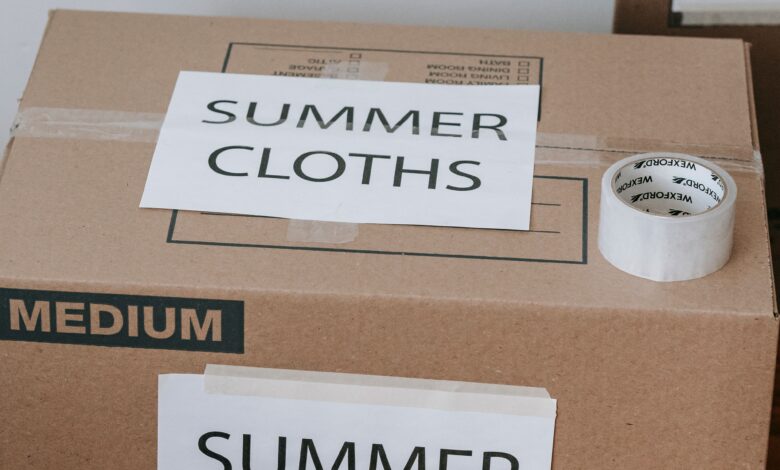
Write on the side of the box, not the top. Once boxes are stacked, you cannot read the tops. On the side, write the room name and a few key items, like “Kitchen: pots, pans, utensils.”
Use a thick marker so it is easy to read. Label at least two sides of each box, so you can read it no matter how it is stacked.
Step 3: Number Your Boxes and Track Them
Numbering sounds like extra work. It is the step that saves you the most.
Give each box a number as you seal it. Then jot the number and its contents on a list, on paper or in a note on your phone. Now you have a full inventory. If you need the coffee maker, you check the list, find “Box 12: kitchen small appliances,” and go straight to it.
This also tells you if a box goes missing. If you packed 30 boxes and only 29 arrive, you know right away, and your list tells you what was in the one that is gone.
Step 4: Use a Color System (Optional)
If you want to go a step further, color-code your boxes by room. It makes sorting fast, even for helpers who do not know your home.
| Room | Color |
|---|---|
| Kitchen | Red |
| Bedroom | Blue |
| Bathroom | Green |
| Living room | Yellow |
| Office or extras | Orange |
Use colored tape or stickers on each box, and put a matching color note on the door of each room at the new place. Anyone carrying boxes can match the color to the room without asking you a thing.
Step 5: Pack an Essentials Box
One box matters more than all the others. Your essentials box, sometimes called a first-night box.
This holds what you need the first night and morning before you unpack anything else:
- Phone chargers
- Toiletries and any medicine
- A change of clothes for each person
- Basic tools and a box cutter
- Snacks, water, and a few cups and plates
- Toilet paper and paper towels
Label it clearly and keep it with you, not on the truck. It is the first box you open and the one that saves your sanity on night one.
How to Handle Odd and Awkward Items
Not everything fits neatly in a box. A few things need their own plan.
- Clothes on hangers. Slide a trash bag up over a group of hanging clothes and tie it at the top. They move as one and go straight into the new closet.
- Lamps and shades. Wrap shades in a pillowcase and pack lamp bases with padding. Keep them out of heavy boxes.
- Cords and cables. Coil each one, bag it, and label which device it belongs to. Tape it to the item if you can.
- Long items. Curtain rods, brooms, and mops can be bundled together and taped, no box needed.
Group these oddballs by room too, so they still land in the right place.
Boxes or Bins: What Should You Use?
Both work, and many people mix the two. Here is the simple trade-off.
Cardboard boxes are cheap or free, stack well, and are easy to label. They are best for most of your move. Just tape them well and do not pack them too heavy.
Clear plastic bins cost more but are sturdy and let you see what is inside. They are handy for items you will want to grab fast, or for things you plan to store after the move. Use a few bins for essentials and keep cardboard for the bulk.
Smart Tips for Organized Boxes
A few extra habits keep the whole system tight:
- Do not overpack. A box too heavy to lift is a box that breaks or hurts your back.
- Put heavy items in small boxes and light items in big ones.
- Fill gaps with towels so nothing shifts and rattles.
- Tape the bottom of each box well before you load it.
- Stack boxes by room near the door in the order they will come off the truck.
How to Unpack in Order
Organized boxes make unpacking easy, but order still helps. Open boxes in this order:
- The essentials box first
- Beds and bedroom boxes, so everyone can sleep
- The bathroom, so you can wash up
- The kitchen, so you can eat
- Everything else, one room at a time
Because each box is labeled by room, you can carry it straight to where it belongs before you even open it. Half the work is already done. Set up the beds and the bathroom the first night, and leave the rest for the days after. There is no prize for unpacking everything at once, and a slower pace lets you decide where things really go.
Frequently Asked Questions
What is the best way to organize moving boxes? Pack one room per box, label each box by room and contents on the side, number them, and keep a master list. This makes both loading and unpacking simple.
Should I number my moving boxes? Yes. Numbering plus a contents list gives you a full inventory. You can find any item fast and spot right away if a box goes missing.
How do I label moving boxes the right way? Write the room and main contents on at least two sides with a thick marker. Mark fragile boxes clearly and add a star to any you want to open first.
What should go in my first box to open? Pack an essentials box with chargers, toiletries, medicine, a change of clothes, basic tools, snacks, and toilet paper. Keep it with you and open it first.
Label One Box Today
You do not need to wait for moving week to start this. Next time you pack a box, do it the organized way: one room, labeled on the side, numbered, and added to your list. One box in, you will see how much calmer it feels, and the rest of the move follows the same simple pattern.