
The best way to clean the house is to work in one clear order. Start at the top of each room and move down. Clean one room fully before you move to the next. Save the floors for last. This simple order stops you from making the same spot dirty twice. It also helps you finish faster and skip nothing.
Most people clean in a random way. They wipe one spot, then grab something in another room, then run out of steam. This guide fixes that. Below is the full plan for how to clean a house from start to finish. It works for a small apartment or a large family home.
You do not need fancy tools or a whole free day. You need a plan and the right order. That is what you get here.
How to Clean the House Step by Step (Quick Answer)
Here is the short version. Follow these steps in this order:
- Pick up clutter first. Put every item back where it belongs.
- Strip the beds and start a load of laundry.
- Dust each room from high to low.
- Clean glass, mirrors, and screens.
- Wipe and disinfect kitchen and bathroom surfaces.
- Scrub the toilet, sink, and tub.
- Vacuum every room and rug.
- Mop the hard floors last.
- Take out the trash and reset each bin.
That is the core method. Now let us break down each part, so you know exactly what to do and why.
What You Need Before You Start
Good tools make the job faster. Gather these before you begin, so you never stop halfway to hunt for something:
- Microfiber cloths, which trap dust far better than paper towels
- A multi-surface spray and a separate glass cleaner
- A bathroom cleaner and a toilet brush
- Dish soap and a scrub sponge
- A vacuum and a mop
- A bucket and rubber gloves
- Trash bags and one laundry basket for stray items
Keep it all in a caddy or a bucket. Carry that caddy from room to room. This one habit saves dozens of trips back and forth.
The Golden Rules of House Cleaning
A few simple rules make every clean easier. Learn them once and you will clean smarter for life.
Work top to bottom. Dust and dirt fall down. If you clean the shelves after the floor, the floor gets dirty again. Start high and end low.
Go dry before wet. Dust and sweep first. Then wipe and mop. Wet cleaning over dusty surfaces just makes mud and streaks.
Finish one room fully. Do not float around the house. When you clean one room at a time, you can see your progress. Seeing progress is what keeps you going.
Move in one direction. Go left to right around each room. You will not miss a corner and you will not clean the same spot twice.
How to Clean Your House Room by Room
Here is how do you clean your house in the right order. Kitchens and bathrooms hold the most germs and take the most time. Do them while your energy is high. Save the easy rooms for the end.
| Room | Main tasks | Approx time |
|---|---|---|
| Kitchen | Dishes, counters, stovetop, sink, sweep | 20 to 30 min |
| Bathroom | Toilet, tub, sink, mirror, mop | 15 to 25 min |
| Bedrooms | Beds, dust, vacuum | 10 to 15 min each |
| Living room | Declutter, dust, vacuum | 15 to 20 min |
| Floors | Vacuum and mop all | 15 to 30 min |
Kitchen
The kitchen touches your food, so give it real care.
- Load or empty the dishwasher first, so dishes are out of the way.
- Clear the counters. Wipe them with a multi-surface spray.
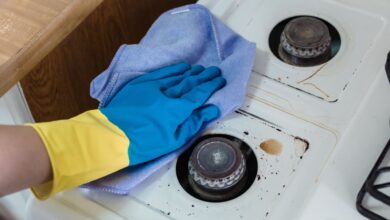
- Clean the stovetop and the front of the oven.
- Wipe the microwave inside and out.
- Clean the sink and shine the faucet.
- Wipe cabinet handles and the fridge door, where hands leave marks.
- Sweep the floor now. Save mopping for the very end.
Quick tip from experience: warm one cup of water in the microwave for two minutes. The steam loosens dried food. Then old splatters wipe away with almost no scrubbing.
Bathroom
Bathrooms need true disinfecting, not just a quick wipe.
- Spray the shower, tub, and toilet with cleaner. Let it sit while you do other tasks.
- Clean the mirror with glass cleaner and a dry cloth.
- Wipe the counter, sink, and faucet.
- Scrub the tub and shower walls, then rinse well.
- Scrub the toilet bowl, seat, lid, and the base where dust hides.
- Empty the small trash can.
- Sweep, then mop last.
Let the cleaner sit for a few minutes before you scrub. That wait time does half the work for you.
Bedrooms
Bedrooms go fast once the bed is handled.
- Make the bed, or put on fresh sheets if it is laundry day.
- Dust the nightstands, dresser, and shelves.
- Wipe light switches and door handles.
- Clear any clutter back into its home.
- Vacuum the floor, including under the bed.
Living Room
- Clear cups, plates, and stray clutter.
- Fluff the cushions and fold the blankets.
- Dust the TV stand, tables, and shelves.
- Wipe the remote and the light switches, which are touched all day.
- Vacuum the sofa seams and then the floor.
Do the Floors Last
Once every room is dusted and wiped, clean all the floors in one pass. Vacuum the carpets and rugs first. Then mop the hard floors. Work from the far corner back toward the door. That way you never walk across a wet floor you just cleaned.
How Long Does It Take to Clean a House?
Time depends on the size of your home and how messy it is. Here is a rough guide for a normal weekly clean.
| Home size | Basic clean | With deep tasks |
|---|---|---|
| Studio or 1 bedroom | 1 to 1.5 hours | 2 to 3 hours |
| 2 to 3 bedroom home | 2 to 3 hours | 4 to 5 hours |
| 4 plus bedroom home | 3 to 4 hours | 6 plus hours |
These times drop once cleaning becomes a habit. The method stays the same, but your speed grows with practice.
How to Clean a House When You Have No Time
Some days you get 20 minutes, not two hours. Use this fast plan to hit the spots that matter most.
- Clear the clutter off flat surfaces. A tidy room looks clean even before you wipe.
- Wipe the kitchen counters and the bathroom sink.
- Do a quick toilet scrub.
- Run the vacuum over the main rooms only.
- Empty the trash and light a candle or open a window.
This is not a full clean. But it makes your home feel fresh until you have time to do the full method above.
Simple Cleaning Products You Already Have
You do not need a cabinet full of sprays. A few basic items handle most of the house.
- White vinegar cuts grease and hard water spots. Mix it half and half with water for glass and faucets. Do not use it on natural stone like granite or marble.
- Baking soda works as a gentle scrub. Sprinkle it in the sink or tub, then scrub with a damp sponge.
- Dish soap cleans far more than dishes. A few drops in warm water wipes down counters, doors, and baseboards.
- Microfiber cloths clean most surfaces with just water. They lift dust and grime without any spray at all.
Keep these four on hand and you can clean nearly every room. This also saves money and cuts down on strong fumes in the home.
One caution: never mix cleaning products together. Bleach and vinegar, or bleach and ammonia, create fumes that are not safe to breathe. Use one product at a time and open a window when you clean.
How to Keep Your House Clean After
A clean house is easy to lose in a few days. These small habits keep it fresh with little effort.
- Do a 10 minute tidy each night before bed.
- Never leave a room empty handed. Carry one thing back where it goes.
- Wipe the kitchen counter after every meal.
- Run one load of laundry a day in a busy home.
- Put items away right away instead of setting them down for later.
A short daily routine beats one long clean each week. If you want a full plan you can follow, check the cleaning routine guide linked below.
Common Mistakes to Avoid
Even careful people slip up. Watch for these five.
- Using one dirty cloth for the whole house. Swap cloths often, or you just spread grime.
- Cleaning the floors first. They pick up dust from above, so always do them last.
- Spraying too much product. More is not better. It leaves streaks and sticky film.
- Skipping the sit time on cleaners. Give them a few minutes to break down dirt.
- Trying to clean the whole house at once while tired. Break it into rooms instead.
Frequently Asked Questions
What is the correct order to clean a house? Declutter first, then dust from top to bottom, clean the surfaces, tackle the kitchen and bathroom, and finish with the floors. Always clean one room fully before you start the next.
How do I clean my house fast? Set a timer for each room and work in one direction. Do not stop to organize closets or drawers. Focus on the surfaces you see and touch most. Leave deep tasks for another day.
How often should I clean my house? Do light tasks like dishes and wiping counters every day. Do a full clean once a week. Deep tasks like baseboards, windows, and behind furniture can wait for a monthly clean.
What should I clean first in a very messy house? Start by picking up trash and loose clutter. A clear space is much easier to clean. Once the floor and surfaces are clear, move on to dishes and wiping.
Start With One Room Today
You do not need a free day to begin. Pick the room that bothers you most, which is usually the kitchen, and clean only that one. Use the top to bottom method from this guide. Once it looks good, you will feel the pull to keep going. That first small win is what makes cleaning stick.
Bookmark this page and follow the same order next week. In a month, the whole routine will feel automatic.
Internal Linking Ideas
- Link the phrase how to clean your house fast to your speed-cleaning article.
- Link cleaning routine or keep your house clean to your cleaning routine post.
- Link deep clean to your full deep-cleaning guide.
- Link how often to clean the toilet to that bathroom-frequency article.
Image SEO Assets
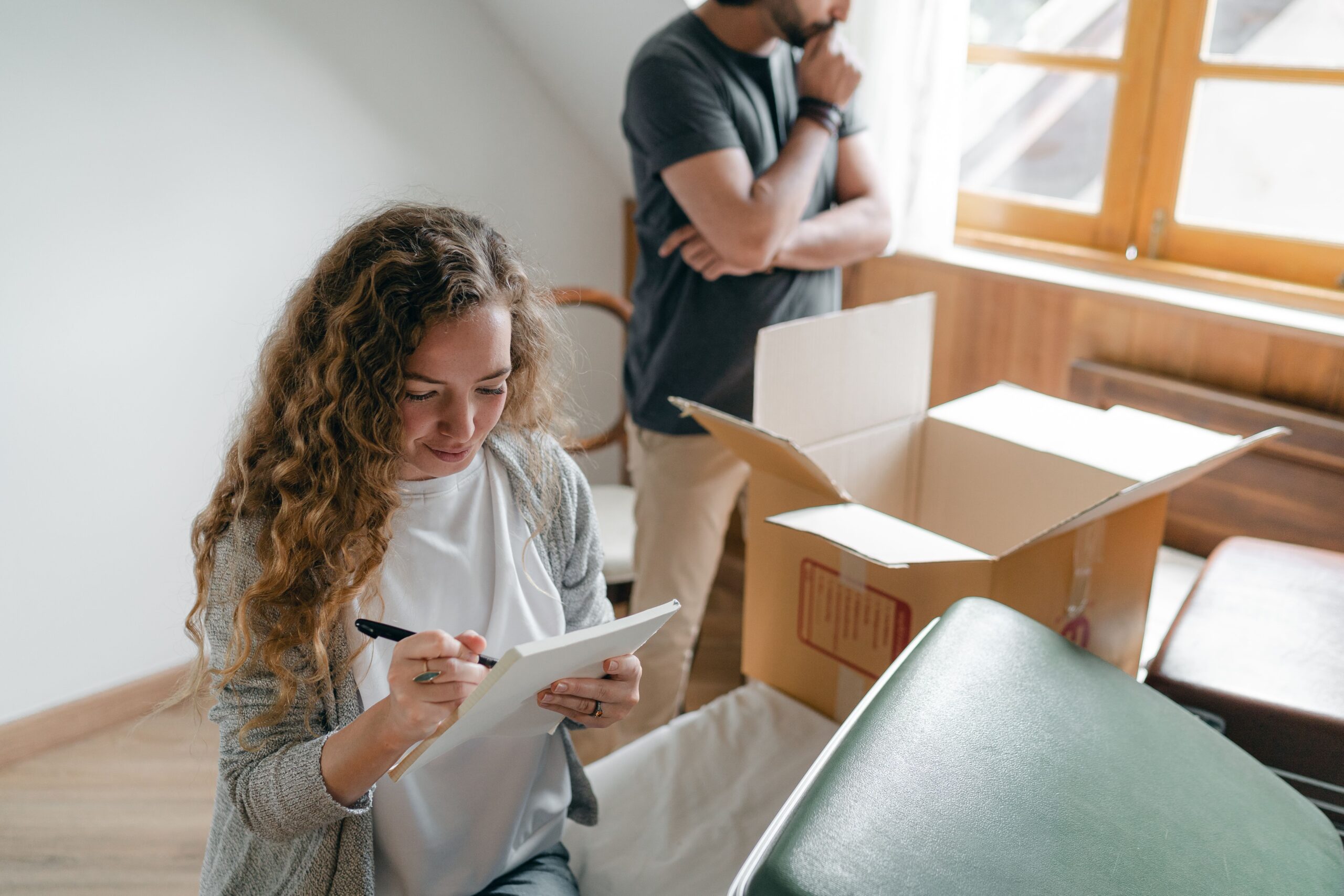
Featured image – File name: how-to-clean-the-house-step-by-step.jpg – Alt text: person cleaning the house room by room with a caddy of supplies – Caption: A simple top-to-bottom order is the fastest way to clean the house. – Description: A bright, tidy home mid-clean, showing the room-by-room method from this how to clean the house guide.
Mid-article image 1 (near the room-by-room section) – Caption: Clean the kitchen and bathroom first, then work through the easy rooms.
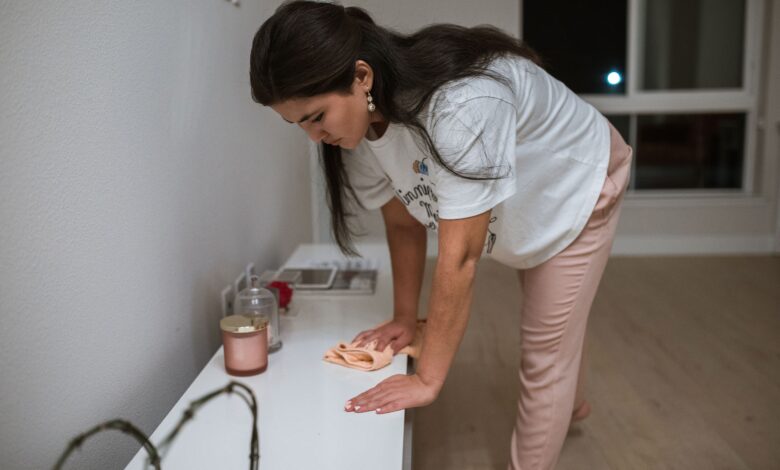
Mid-article image 2 (near the floors section) – Caption: Save vacuuming and mopping for last, and work toward the door.
SEO Title: How to Move House: A Complete Moving Guide
Meta Description: Learn how to move house the easy way. This complete moving guide gives you a week-by-week checklist for packing and moving day.
Permalink: /how-to-move-house
Focus Keyword: how to move house
Secondary Keywords: how do you move, how to move a household, how can i move house
How to Move House: A Complete Moving Guide
To move house without stress, you plan in stages instead of doing it all at once. Start about eight weeks out. Declutter first, gather your boxes, then pack one room at a time. Book your movers or truck early. Pack a first-night box you can find fast. Update your address and set up utilities. A clear timeline is how you move a household the smart way.
Moving feels huge when you look at the whole thing. So do not look at the whole thing. Break it into small weekly tasks. This guide shows you exactly what to do and when. Follow it in order and moving day will feel calm, not chaotic.
How Do You Move House? (Quick Answer)
Here is the full process in simple steps:
- Declutter and get rid of what you do not need.
- Set a moving budget and pick your moving method.
- Buy or collect packing supplies.
- Pack room by room, starting with items you rarely use.
- Label every box with the room and contents.
- Confirm movers, truck, or helpers.
- Change your address and transfer utilities.
- Pack a first-night box of essentials.
- Do a final clean and a last walk-through.
- Move, unpack the key rooms first, then settle in.
Now let us put those steps on a timeline.
Moving Timeline: What to Do and When
Use this table as your master plan. Print it or save it on your phone.
| When | Main tasks |
|---|---|
| 8 weeks before | Declutter every room. Set a budget. Research movers. |
| 6 weeks before | Gather supplies. Start packing off-season and rare items. |
| 4 weeks before | Book movers or a truck. Notify landlord or agent. |
| 3 weeks before | Change your address. Transfer or set up utilities. |
| 2 weeks before | Pack most rooms. Use up food in the fridge and freezer. |
| 1 week before | Pack daily items. Confirm all bookings. Clean as you go. |
| Moving day | Load, do a final check, hand over keys, travel to the new home. |
| After the move | Unpack the kitchen and bedrooms first. Update records. |
Two Months Before You Move
The best first step is not packing. It is decluttering.
Go through each room and sort items into four groups:
- Keep
- Donate
- Sell
- Trash
The less you own, the less you pack, carry, and unpack. This step alone can save you hours and money.
Next, set your budget. List the likely costs so nothing surprises you:
- Movers or truck rental
- Packing supplies
- Deposit for the new place
- Cleaning costs
- Travel and food on moving day
Then decide how you will move. Full-service movers cost more but do the heavy work. A rental truck with friends costs less but takes more effort. Pick what fits your money and your time.
Six Weeks Before
Now gather your supplies so you can pack any time. You will need:
- Small and large boxes
- Packing tape and a tape gun
- Bubble wrap or old towels for fragile items
- Markers for labeling
- Trash bags and zip bags
Start packing the things you do not use often. Think holiday decor, extra bedding, books, and spare dishes. Pack heavy items in small boxes and light items in large boxes. This keeps boxes easy to lift.
Label each box on the side, not the top. Write the room and a few key contents. You will thank yourself when you unpack.
One Month Before
This is the paperwork stage. Handle it now so nothing slips.
- Change your address with the post office.
- Update your bank, employer, and any subscriptions.
- Transfer or cancel utilities at the old home.
- Set up power, water, gas, and internet at the new home.
- Book time off work for moving day if you need it.
If you rent, tell your landlord in writing and ask about your deposit. If you have kids in school, start any transfer paperwork now.
The Week of the Move
By now most of your home should be in boxes. This week you pack the daily items and handle food.
Eat down your fridge, freezer, and pantry. Do not move food you can finish first.
Then pack a first-night box. This is the box you open right away, so keep it with you, not on the truck. Fill it with:
- Phone chargers
- A change of clothes for each person
- Toiletries and any medicine
- Basic tools and paper towels
- Snacks, water, and a few plates and cups
- Bedding for the first night
Confirm your movers or truck. Reconfirm the time and the address. Small mix-ups here cause big delays.
Moving Day Checklist
Follow this order on the day to keep things smooth.
- Get up early and strip the beds last.
- Keep your first-night box and valuables with you.
- Load large furniture first, then boxes, then loose items.
- Do a final walk-through of every room and closet.
- Check the mailbox and any outdoor spaces.
- Take meter readings and photos of the empty home.
- Hand over the keys.
- Lock up and head to your new place.
Keep water and snacks on hand. Moving is hard work, and it is easy to forget to eat.
After the Move
You do not need to unpack everything on day one. Unpack in this order so life works fast:
- Beds, so everyone can sleep
- The bathroom, so you can wash up
- The kitchen, so you can eat
- Then the rest, room by room
Update your address on any records you missed. Meet a neighbor if you can. Find the nearest store and pharmacy. These small steps help a new house start to feel like home.
Should You Hire Movers or Move Yourself?
This choice shapes your whole move. Both ways work. The right one depends on your budget, your time, and how much you own.
| Option | Best for | Trade-off |
|---|---|---|
| Full-service movers | Big homes, busy people, long moves | Costs the most |
| Truck rental plus help | Medium homes, tight budgets | Hard physical work |
| Moving container | Flexible timing, storage needs | You still pack and load |
| Small van or car trips | Studios, short local moves | Many trips, slow |
If you have heavy furniture, stairs, or a long distance to cover, movers are often worth the cost. If you own little and have willing friends, a truck rental can save hundreds. Get at least two quotes before you decide. Prices vary a lot by date and company.
How to Pack Fragile Items Safely
Broken plates and cracked frames are the most common moving loss. A little care here saves money and stress.
- Wrap each glass and plate on its own. Do not stack them bare.
- Stand plates on their edge in the box, not flat. They break less this way.
- Fill every gap with towels or paper so nothing shifts.
- Pack heavy items low and light items on top.
- Mark fragile boxes clearly on all sides.
- Keep fragile boxes off the bottom of a stack.
Use soft items you already own, like towels, socks, and clothes, as padding. This protects your things and cuts down on how many boxes you need.
How to Move on a Budget
Moving does not have to drain your savings. Try these:
- Collect free boxes from stores and friends.
- Use towels and clothes as padding instead of buying bubble wrap.
- Move midweek or midmonth, when rates are often lower.
- Sell items you do not need and put the cash toward the move.
- Ask friends to help and feed them well instead of hiring extra hands.
Common Moving Mistakes to Avoid
A few simple errors cause most moving-day stress. Skip these and your move stays smooth.
- Packing too late. A last-minute rush leads to broken items and lost boxes. Spread packing over weeks.
- Not decluttering first. Moving junk wastes boxes, time, and money. Cut it before you pack.
- Forgetting to label boxes. Unlabeled boxes turn unpacking into a hunt. Mark the room and contents.
- Overpacking big boxes. A huge box full of books is too heavy to lift safely. Use small boxes for heavy things.
- Losing key papers. Keep IDs, contracts, and keys in one folder that stays with you.
- No first-night box. Digging through the truck at midnight is the worst. Pack essentials apart.
Plan around these and moving day will feel like the easy end of the process, not the hard part.
Frequently Asked Questions
How far ahead should I start packing to move? Start about six weeks out with rare and off-season items. Pack daily items in the final week. Early packing spreads the work and lowers stress.
What should I pack first when moving? Pack the things you use least first. That means decor, books, spare linens, and out-of-season clothes. Save daily items like toiletries and kitchen basics for last.
How can I make moving easier? Declutter before you pack, label every box by room, and keep a first-night box with you. A written timeline is the single biggest help.
How long does it take to move house? A small apartment can take a few hours to load and move. A full family home often takes most of a day. Packing over several weeks makes the day itself much faster.
Start Your Move With One Box Today
The hardest part of any move is starting. So make it tiny. Pick one drawer or one shelf and pack a single box today. Label it and set it aside. That first box breaks the wall of stress and gets you moving. Follow the timeline above from there, and you will reach moving day ready, not rushed.