
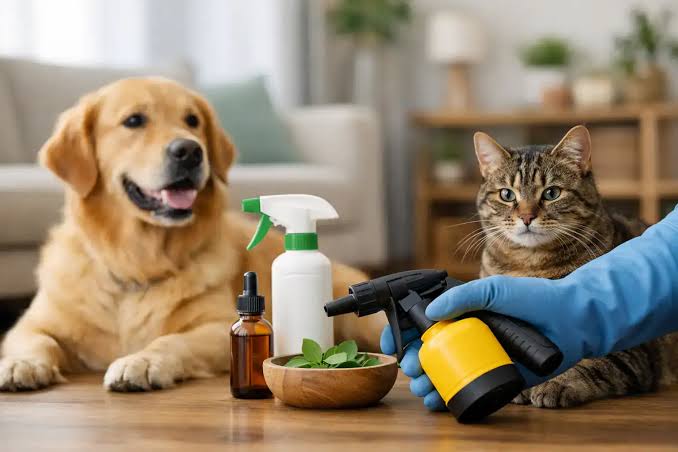
Keeping insects and other pests out of your home is important, but pet owners have an additional concern: choosing pest control methods that do not unnecessarily expose dogs, cats, and other animals to harmful chemicals.
Pet safe pest control focuses on preventing and controlling pests while reducing the risk of exposure to pets. This can include simple prevention methods, physical traps, targeted treatments, and carefully selected pesticides when necessary.
The Environmental Protection Agency (EPA) recommends an approach called Integrated Pest Management, or IPM. Instead of immediately reaching for pesticides, IPM starts with identifying the pest, removing food and water sources, blocking entry points, and using lower-risk control methods before considering chemical treatments.
Pet-safe does not necessarily mean that every pest-control product is harmless to animals. Even products marketed as pet friendly must be used according to their labels.
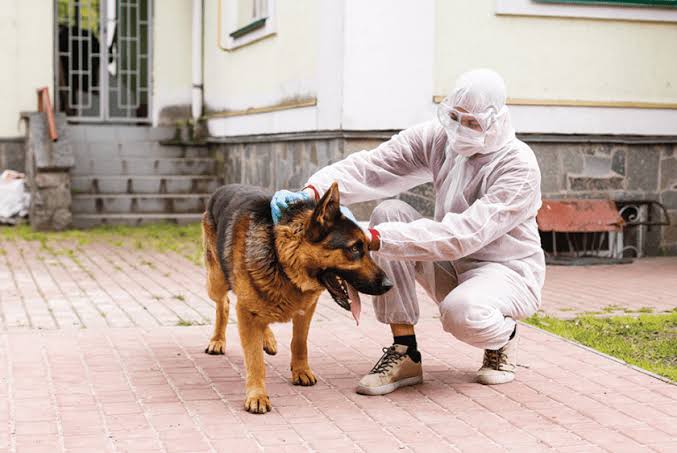
Why Pet Safe Pest Control Matters
Dogs and cats interact with their environment differently from people. They may walk across treated floors, lick their paws, chew objects, or investigate traps and bait stations.
This can increase the chance of accidental exposure.
ASPCA recommends keeping pets away from areas being treated with insecticides and allowing treated areas to dry before pets return. It also recommends keeping chemicals away from pet food and water bowls.
Choosing safer methods can therefore help you manage pests without creating unnecessary risks for your pets.
Common Household Pests
Pet owners may need to deal with:
- Ants
- Cockroaches
- Flies
- Mosquitoes
- Spiders
- Fleas
- Ticks
- Silverfish
- Pantry pests
- Mice and other rodents
The best solution depends on the pest. A method that works for ants may not be appropriate for fleas or rodents.
Best Pet Safe Pest Control Methods
The safest approach is usually to start with prevention and non-chemical methods. If these are not enough, carefully targeted products can be considered.
Here are some of the most useful options.
1. Keep Food Sealed
Many household pests enter homes because food is easy to find.
Store food in sealed containers and clean crumbs and spills quickly. Keep garbage in containers with tight-fitting lids.
The EPA recommends removing sources of food, water, and shelter as a first step in pest prevention.
2. Do Not Leave Pet Food Out Overnight
Pet food can attract ants, cockroaches, rodents, and other pests.
Try feeding pets at scheduled times and remove leftover food after they finish eating.
Also clean around feeding areas regularly.
3. Fix Water Leaks
Moisture can attract many types of pests.
Check for:
- Leaking faucets
- Dripping pipes
- Damp cabinets
- Standing water
- Leaking air-conditioning units
- Water collecting under appliances
Fixing these problems can make your home less attractive to pests.
4. Seal Cracks and Entry Points
Small insects can enter through surprisingly small openings.
Check around:
- Doors
- Windows
- Baseboards
- Pipes
- Cabinets
- Utility openings
- Wall cracks
Use appropriate caulk, screens, or other materials to close gaps.
The EPA recommends sealing cracks and crevices and making windows and doors resistant to pest entry.
5. Use Sticky Traps Carefully
Sticky traps can help monitor or control certain crawling insects without spraying pesticides into the air.
However, they should always be placed where pets cannot reach them.
A curious dog or cat may try to play with a trap, so location matters.
6. Use Enclosed Bait Stations
For some pest problems, enclosed bait stations can reduce the chance of direct contact with the pesticide.
The EPA notes that baits can be a lower-exposure option when they are properly placed and kept away from children and pets.
Never leave loose bait where a pet can reach it.
Choosing a Pet Friendly Bug Spray
If prevention and non-chemical methods do not solve the problem, you may consider a pet friendly bug spray.
However, do not choose a product simply because the packaging says “natural,” “green,” or “pet friendly.”
Instead, check the product label carefully.
What to Check on the Label
Before buying or using a pest-control spray, look for:
- Active ingredients
- Target pests
- Approved application areas
- Indoor or outdoor use
- Required ventilation
- Pet re-entry instructions
- Application rate
- Storage instructions
- First-aid information
The EPA advises consumers to read pesticide labels before buying, storing, and using products. The label provides important directions and safety precautions.
Are Natural Pest Control Methods Safer for Pets?
Natural does not automatically mean harmless.
Some essential oils and plant-based substances can still cause problems if pets inhale, ingest, or come into direct contact with concentrated products.
For this reason, pet owners should evaluate a product based on its actual ingredients and directions rather than assuming that a natural product is automatically safe.
A better strategy is to combine prevention, sanitation, exclusion, and targeted control.
Pet Safe Pest Control: Method Comparison
| Pest Control Method | Pet Exposure Risk | Best Use | Important Tip |
|---|---|---|---|
| Sealing cracks | Very low | Ants, roaches, spiders | Find entry points |
| Cleaning food spills | Very low | Most household pests | Clean regularly |
| Removing standing water | Very low | Mosquito prevention | Check outdoor containers |
| Sticky traps | Low when inaccessible | Crawling insects | Keep away from pets |
| Enclosed bait stations | Low when properly placed | Ants, roaches, rodents | Keep inaccessible |
| Pet friendly bug spray | Depends on product | Targeted insect control | Follow label |
| Professional treatment | Depends on products used | Serious infestations | Ask about pet precautions |
How to Use Pest Control Products Safely Around Pets
Sometimes pesticides are necessary. If you use them, careful application is essential.
Keep Pets Away During Application
Do not allow pets to remain in the treatment area while a pesticide is being applied.
Move pets to another room or another safe location as instructed by the product label.
Remove Food and Water Bowls
Before treatment, remove pet food and water bowls.
ASPCA specifically advises never spraying chemicals near a pet’s food or water bowls.
Remove Toys and Bedding
Move pet toys, blankets, beds, and other frequently used items away from the treatment area.
This reduces the chance that pets will come into contact with treated surfaces or residues.
Allow the Area to Dry
One of the most important rules for safe pest control is to keep pets away until treated areas are dry and the product label says it is safe to re-enter.
ASPCA notes that insecticides generally pose greater risk while wet and recommends keeping pets away until the treatment has completely dried.
Wash Your Hands After Application
Wash your hands thoroughly after handling pesticides.
If you accidentally walk through wet product, follow the product’s instructions for cleaning and avoid carrying residue into areas where pets spend time.
Pet Safe Pest Control for Cats
Cats require special consideration because they frequently groom themselves.
A cat can potentially transfer substances from its paws or fur into its mouth during grooming.
For this reason:
- Keep cats away during treatment.
- Do not spray products directly on cats.
- Prevent cats from walking on wet treatments.
- Keep pesticides away from food and water.
- Store products where cats cannot access them.
- Follow the exact product label.
For flea and tick treatments intended specifically for animals, use only products labeled for the correct animal species and size. EPA warns that products intended for dogs should not be used on cats because some pesticides can be more toxic to one species than another.
Pet Safe Pest Control for Dogs
Dogs can also be exposed to pesticides by walking across treated areas, licking surfaces, or chewing treated objects.
To reduce exposure:
- Remove your dog before treatment.
- Remove food, water, toys, and bedding.
- Follow the product label.
- Keep your dog away from treated areas.
- Wait for the required drying or re-entry period.
- Store leftover products securely.
Never assume that a product is safe simply because it is advertised for household use.
What About Outdoor Pest Control?
Your yard can also contain pesticides, fertilizers, insecticides, and other substances that may be harmful to pets.
When treating lawns or gardens, keep pets away from the area according to the product’s instructions.
ASPCA recommends preventing pets from accessing treated outdoor areas until the product has dried or has been appropriately watered in, depending on the product instructions.
Outdoor Prevention Tips
You can reduce pest problems without spraying your entire yard.
Try to:
- Remove standing water.
- Keep garbage containers closed.
- Trim excessive vegetation near the home.
- Clean up fallen fruit.
- Remove piles of leaves and debris.
- Repair damaged screens.
- Keep pet food indoors.
- Seal outdoor entry points.
These steps can reduce the conditions pests need to survive.
When to Call a Professional
A professional pest-control service may be the better choice when you have a serious infestation or cannot identify the pest.
Before treatment, tell the professional that you have pets.
Ask:
- What product will be used?
- What are the active ingredients?
- Where will it be applied?
- How long must pets stay away?
- Does the area need ventilation?
- Are there special precautions for cats, dogs, birds, or fish?
A professional should be able to explain the treatment and the precautions you need to take.
What to Do If Your Pet Is Exposed
If your pet walks through a wet pesticide, licks a treated surface, or may have swallowed a pest-control product, remove the pet from the exposure area.
Contact your veterinarian for advice, especially if you notice unusual symptoms.
Possible signs of poisoning can vary depending on the product and amount involved. They may include:
- Drooling
- Vomiting
- Weakness
- Tremors
- Unusual behavior
- Difficulty walking
- Breathing problems
Do not induce vomiting unless a veterinarian or animal poison-control professional specifically tells you to do so.
If you are in the United States, ASPCA Animal Poison Control can be contacted at (888) 426-4435.
Simple Pet Safe Pest Control Checklist
Before treating your home, use this checklist:
| Step | What to Do |
|---|---|
| Identify | Determine which pest you have |
| Prevent | Remove food, water, and hiding places |
| Seal | Close cracks and entry points |
| Protect | Move pets and their belongings |
| Treat | Use the least-risk method that works |
| Read | Follow every label instruction |
| Dry | Keep pets away until the area is safe |
| Store | Keep products securely stored |
| Monitor | Check whether the pest problem returns |
This approach follows the basic principles of Integrated Pest Management: identify the pest, prevent the problem, monitor it, and use control methods based on effectiveness and risk.
Frequently Asked Questions
What is the safest pest control method for pets?
Prevention and non-chemical methods are generally a good starting point. Removing food and water sources, sealing cracks, cleaning regularly, and using physical traps can reduce the need for pesticides.
Is pet friendly bug spray completely safe?
Not necessarily. “Pet friendly” does not mean a product can be sprayed directly on pets or used without precautions. Always read the label and follow its instructions.
Can I use bug spray when my dog is in the room?
It is best to keep your dog away from the area during pesticide application. Follow the product’s specific instructions about re-entry and drying time.
Can I spray insecticide near my cat’s food bowl?
No. Remove food and water bowls before applying insecticides. ASPCA specifically recommends keeping chemicals away from pet food and water bowls.
Are natural pest control methods always safe for pets?
No. Natural ingredients can still cause problems depending on the substance, concentration, and type of exposure. Evaluate the actual ingredients and follow product directions.
Is safe pest control possible without chemicals?
Yes. Many pest problems can be reduced with sanitation, sealing entry points, removing standing water, eliminating clutter, and using physical traps. EPA recommends prevention as an important part of Integrated Pest Management.
When should I hire a pest-control professional?
Consider professional help when an infestation is large, persistent, difficult to identify, or involves pests that can pose significant health or property risks. Tell the professional about your pets before treatment begins.
Conclusion
Pet safe pest control does not mean ignoring pest problems. It means choosing the safest effective approach while protecting the animals that share your home.
Start with prevention: remove food and water sources, clean regularly, seal cracks, eliminate standing water, and reduce places where pests can hide. These simple steps can often reduce the need for chemical treatments.
If you need a pet friendly bug spray or another pesticide, read the label carefully and follow every instruction. Keep pets away during application, remove their food and water bowls, and do not allow them back into treated areas until the product’s required drying or re-entry conditions have been met.
The best safe pest control strategy is usually a combination of prevention, monitoring, and targeted treatment. By using the least-risk method that effectively solves the problem, you can keep your home comfortable for both your family and your pets.