

How often should you replace your toothbrush? For most people, the simple answer is every three to four months, or sooner when the bristles fray.
How Often Should You Replace Your Toothbrush? Quick Answer
The simple answer is every three to four months. The American Dental Association recommends replacing your toothbrush every three to four months, or sooner if the bristles become frayed or matted. This is not just about germs. Worn bristles clean your teeth far less effectively, which can let plaque build up. Most people keep their toothbrush much longer than they should. Here is exactly how often you should replace your toothbrush, the signs to watch for, and when to swap it out even sooner.
A toothbrush is cheap and easy to replace, yet it is one of those things we forget about until it is well past its prime. Most people, if honest, keep theirs far longer than they should. Let us fix that.
How Often to Replace Your Toothbrush (Quick Answer)
Here is the guidance:
General rule: every 3 to 4 months
Sooner if: the bristles are frayed or matted
After illness: replace it once you recover
Electric brush heads: the same 3 to 4 month rule
Kids brushes: often need replacing more frequently
Three to four months is the rule of thumb, but let the bristles be your guide, since heavy or hard brushers may wear a brush out sooner.
Why You Need to Replace It
You might think the main reason is germs, but the bigger issue is effectiveness. Here is what happens to an old toothbrush.
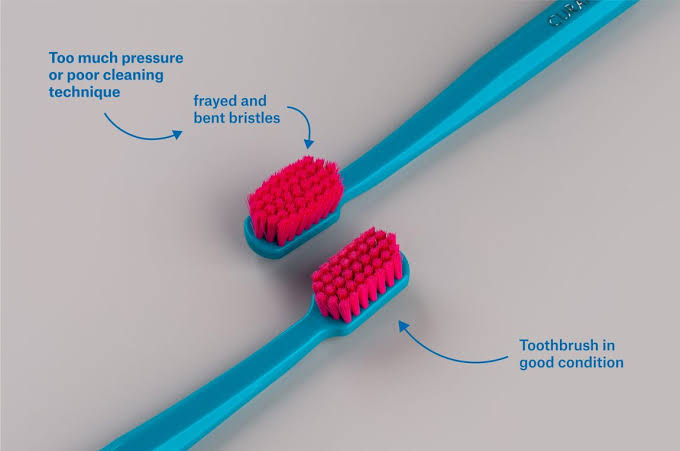
Over time, the bristles wear down, bend, and splay out. According to the American Dental Association, a worn toothbrush is much less effective at removing plaque, especially along the gum line. Clinical research shows a new toothbrush removes more plaque than a worn-out one. Less plaque removal means a higher risk of tooth decay and gum problems. There is also some bacteria buildup over time, but the loss of cleaning power is the main reason to replace it on schedule.

Signs It Is Time to Replace Your Toothbrush
Do not just count the months. Your toothbrush often tells you when it is done. Watch for these signs.
The bristles are frayed, bent, or splayed out
The bristles have lost their shape or color
The brush looks worn or matted
It has been three to four months since you started using it
You have recently been sick
If the bristles are no longer straight and firm, the brush is not cleaning well, no matter how long you have had it. When in doubt, replace it.
When to Replace It Sooner
Sometimes you should swap your toothbrush before the three-month mark. Replace it early in these cases:
After a cold, flu, or other illness, to avoid lingering germs
If it falls on the floor or in the toilet
If a pet chews it
If it has been stored damp in a closed case too long
If someone else uses it by mistake
In these situations, it is a cheap and easy precaution. A new toothbrush costs little, so there is no reason to hang on to a contaminated or damaged one.
Why Brushing Technique Matters Too
Replacing your brush on time is important, but so is how you use it. A fresh brush used poorly does not help much.
The ADA recommends brushing twice a day for two minutes each time, using a soft-bristled brush and gentle pressure. Many people brush too hard, which not only wears out the bristles faster but can also damage the gums and enamel. Let the bristles do the work with light, thorough strokes along every surface. Pairing a fresh, effective toothbrush with good technique is what actually keeps plaque at bay. A new brush and a gentle two-minute routine are a powerful, simple combination for healthy teeth.
Toothbrush Replacement at a Glance
Here is a quick summary.
| Situation | What to do |
|---|---|
| Normal use | Replace every 3 to 4 months |
| Frayed bristles | Replace now |
| After illness | Replace once recovered |
| Dropped or contaminated | Replace right away |
| Electric brush head | Replace every 3 to 4 months |
How to Care for Your Toothbrush Between Replacements
Good toothbrush care will not make it last forever, but it keeps your brush cleaner and in better shape until the next swap. A few simple habits help.
Rinse the bristles thoroughly after every brushing to remove toothpaste and debris
Store it upright and let it air-dry between uses
Do not keep it sealed in a closed container while damp, since that breeds bacteria
Keep it away from other toothbrushes so the heads do not touch
Store it a little distance from the toilet, since flushing can spray germs
None of this replaces the three to four month rule, but it does keep your brush as clean and effective as possible in the meantime. A brush that dries out between uses harbors far fewer germs than one left damp in a case.
Do Not Forget Electric Brush Heads
If you use an electric toothbrush, the same rules apply to the brush head. It is easy to forget, since the handle stays the same.
Replace the head every three to four months, or sooner if the bristles fray. Many electric brush heads have colored bristles that fade as a reminder that it is time for a new one. Just like a manual brush, a worn electric head cleans far less effectively, so keep a few spare heads on hand and swap them on schedule.
Choosing Your Next Toothbrush
When it is time for a new brush, a couple of choices matter for your teeth and gums. The good news is the basics are simple.
Dentists generally recommend a soft-bristled brush, since medium and hard bristles can damage your gums and wear down enamel over time, especially if you brush hard. Pick a head size small enough to reach all your teeth comfortably. Whether you choose a manual or electric brush is largely personal preference, since the ADA says both can be effective when used properly. Look for the ADA Seal of Acceptance if you want assurance the brush has been tested for safety and effectiveness. Beyond that, the best brush is simply the one you will use properly twice a day.
Frequently Asked Questions
How often should you replace your toothbrush? The American Dental Association recommends every three to four months, or sooner if the bristles become frayed or matted. The same applies to electric toothbrush heads. Worn bristles clean far less effectively.
Why do toothbrushes need replacing so often? The bristles wear down and lose their shape, making the brush much less effective at removing plaque, especially at the gum line. A new brush removes more plaque, lowering your risk of decay and gum problems.
Should I replace my toothbrush after being sick? Yes. After a cold, flu, or other illness, replace your toothbrush once you recover. It is a cheap and easy precaution to avoid any lingering germs on the bristles.
How often should I replace an electric toothbrush head? Every three to four months, the same as a manual brush, or sooner if the bristles fray. A worn head cleans less effectively, so keep spares on hand and swap them on schedule.
Check Your Toothbrush Right Now
Go take a look at your toothbrush. If the bristles are frayed or splayed, or you cannot remember the last time you replaced it, it is time for a new one. Keeping a few spares in the cupboard makes it easy to swap on schedule. It is a small, cheap habit that genuinely protects your teeth and gums. Check yours now, and replace it if it is past its prime. Your teeth and gums do the same job every day, so give them a brush that is actually up to it.
How Often Should You Replace Your Toothbrush? Final Takeaway
When you are deciding how often should you replace your toothbrush, check both the calendar and the bristles. A fresh toothbrush helps your daily routine work properly.
Pair this habit with a healthy, balanced lifestyle and a practical bathroom cleaning routine. See the American Dental Association for oral-health resources.
Toothbrush Replacement Questions
How often should you replace your toothbrush? Every three to four months is a dependable rule for normal use.
If you are unsure how often should you replace your toothbrush, replace it sooner whenever bristles flatten, fray, or become contaminated.
Remembering how often should you replace your toothbrush is easy when you keep a spare brush or replacement head ready.