

Fashion is no longer only about wearing clothes. For many consumers, clothing represents personality, interests, culture, and even the way they want to be perceived.
A lifestyle fashion brand builds its identity around this idea. Instead of focusing only on individual products, it creates a complete image around a particular way of living.
For example, one brand may focus on sports and an active lifestyle, while another may represent classic American style. Another may concentrate on contemporary trends and affordable fashion.
This approach allows fashion brands to develop a strong relationship with their customers. People may purchase a product because they like the product itself, but they often remain loyal because they connect with the brand’s overall identity.
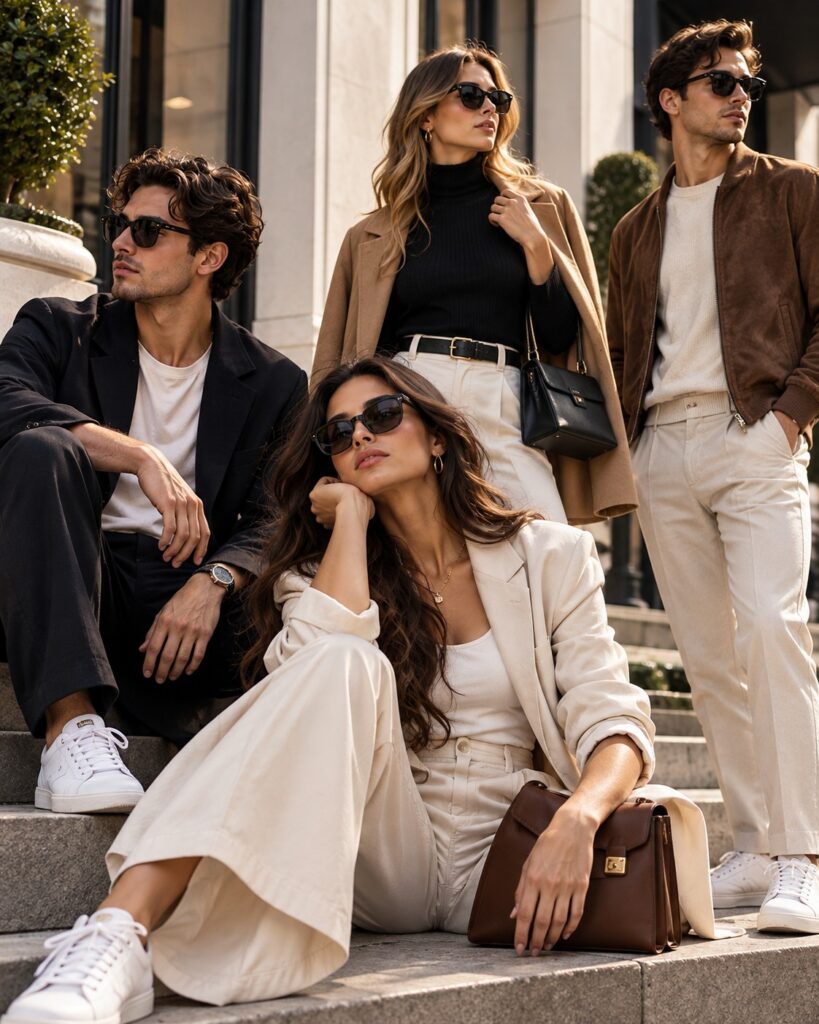
Key Features of Lifestyle Fashion Brands
A successful lifestyle fashion brand commonly focuses on:
- Strong and recognizable branding
- Consistent design and visual identity
- Clothing that fits everyday lifestyles
- A clearly defined target audience
- Social and cultural relevance
- A combination of fashion, quality, and brand experience
- Marketing that communicates a particular lifestyle
Let’s look at four major brands that demonstrate different approaches to lifestyle fashion.
1. Nike: Sportswear Meets Everyday Lifestyle
Nike is one of the world’s most recognizable sportswear brands. Although its roots are strongly connected to athletic footwear and sports equipment, Nike has become an important part of everyday fashion and streetwear culture.
Nike’s lifestyle appeal comes from its ability to combine performance-oriented design with casual clothing that people can wear outside the gym or sports field.
Nike’s Fashion Identity
Nike’s product range includes sneakers, T-shirts, hoodies, jackets, trousers, and other sportswear. Many of these products are designed for athletic performance, but they are also widely worn as casual fashion.
Sneakers are particularly important to Nike’s lifestyle identity. Different sneaker silhouettes can complement casual outfits, streetwear looks, and everyday clothing.
Why Nike Appeals to Lifestyle Consumers
Nike connects fashion with ideas such as:
- Active living
- Sport
- Individual expression
- Youth culture
- Streetwear
- Performance
Its recognizable logo and visual identity also make its products easy to identify.
For consumers who want clothing that works for both casual activities and an active lifestyle, Nike demonstrates how sportswear can become part of mainstream fashion.
2. Levi’s: The Classic Denim Lifestyle
Levi Strauss & Co. has a very different approach to lifestyle fashion. The company is particularly famous for denim and jeans, with a brand identity built around heritage, casual style, and everyday wear.
Levi’s shows how a single product category can become the foundation of a powerful fashion lifestyle.
Levi’s Fashion Identity
Jeans are the central part of Levi’s identity, but the brand also offers jackets, shirts, tops, accessories, and other clothing.
The appeal of Levi’s comes partly from versatility. A pair of jeans can be combined with sneakers and a T-shirt for a casual outfit or styled with a jacket and dressier footwear for a more polished appearance.
Why Levi’s Remains Relevant
Several factors contribute to Levi’s lifestyle appeal:
- Strong denim heritage
- Recognizable designs
- Casual and versatile styling
- Wide consumer appeal
- Long-standing brand identity
- Easy integration into everyday wardrobes
Levi’s is a good example of a lifestyle fashion brand that does not necessarily need to follow every short-term fashion trend. Its identity is strongly connected to timeless casual clothing.
3. Ralph Lauren: Premium Lifestyle Fashion
Ralph Lauren Corporation represents another side of lifestyle fashion. Instead of primarily focusing on sportswear or denim, Ralph Lauren has developed a broader lifestyle concept associated with classic American fashion.
The brand’s product categories extend across clothing and accessories and are connected through a consistent visual identity.
Ralph Lauren’s Fashion Identity
Ralph Lauren is often associated with classic silhouettes, polo shirts, tailored clothing, knitwear, accessories, and sophisticated casual styles.
Its famous Polo logo has become an important part of the brand’s visual recognition.
The Lifestyle Behind the Brand
Ralph Lauren’s approach is not simply about selling individual garments. Its branding communicates a particular lifestyle through:
- Classic styling
- Premium presentation
- American heritage
- Equestrian-inspired imagery
- Casual luxury
- Sophisticated everyday clothing
This demonstrates an important principle of lifestyle fashion: the brand sells an idea as much as it sells a product.
A consumer buying a Ralph Lauren shirt may be purchasing clothing, but the brand’s marketing and visual identity also communicate a particular style and lifestyle.
4. Zara: Fast-Moving Contemporary Fashion
Zara takes a different approach. The brand is closely associated with contemporary fashion and rapidly changing trends.
Zara offers clothing and accessories for different occasions, allowing consumers to update their wardrobes frequently.
Zara’s Fashion Identity
Zara’s collections generally cover areas such as:
- Casual clothing
- Workwear
- Evening fashion
- Outerwear
- Shoes
- Accessories
- Seasonal trends
One of the brand’s key characteristics is its ability to bring current fashion influences into its collections relatively quickly.
Why Zara Appeals to Modern Consumers
Zara’s lifestyle appeal comes from giving consumers access to a constantly changing selection of fashion.
This makes it particularly relevant to people who enjoy experimenting with different styles instead of maintaining one fixed wardrobe identity.
Zara demonstrates how a lifestyle fashion brand can build its identity around modern trends, variety, and frequent wardrobe updates.
Lifestyle Fashion Brand Comparison
The four brands demonstrate that lifestyle fashion does not have a single definition. Each brand connects fashion with a different consumer lifestyle.
| Brand | Main Fashion Focus | Lifestyle Identity | Typical Appeal |
|---|---|---|---|
| Nike | Sportswear & footwear | Active and athletic | Sporty, casual, streetwear |
| Levi’s | Denim & casualwear | Everyday lifestyle | Classic, relaxed, versatile |
| Ralph Lauren | Premium apparel | Classic American lifestyle | Sophisticated, timeless |
| Zara | Contemporary fashion | Trend-focused lifestyle | Modern, experimental |
The important difference is that these brands do not all sell the same type of fashion. Their strength comes from creating a recognizable identity around their products.
How to Choose the Right Lifestyle Fashion Brand
Choosing a fashion brand should depend on your personal style, budget, lifestyle, and clothing requirements.
Consider Your Everyday Lifestyle
If you prefer activewear and sneakers, sportswear-focused brands may fit naturally into your wardrobe.
If you prefer classic clothing, denim, polos, shirts, and timeless pieces may be more suitable.
For people who enjoy changing trends, contemporary fashion brands can provide more variety.
Think About Quality and Longevity
Price is not the only factor to consider. Look at fabric quality, construction, fit, comfort, and how frequently you expect to wear the item.
A versatile piece that works with multiple outfits may provide more practical value than something that only works for one occasion.
Build a Personal Style
A strong wardrobe does not necessarily require clothing from one brand.
You can combine different fashion identities. For example, a classic pair of Levi’s jeans can be worn with a Nike sneaker, while a Ralph Lauren shirt can be styled with contemporary accessories.
This approach allows consumers to create a personal fashion identity rather than simply copying one brand’s look.
Why Lifestyle Fashion Brands Matter
The growth of lifestyle fashion shows how closely clothing is connected with modern consumer culture.
People often use fashion to communicate who they are, what they enjoy, and what kind of image they want to present.
A successful lifestyle fashion brand understands this connection and builds a consistent experience around it.
The product remains important, but branding, storytelling, design, social media, retail experiences, and cultural relevance can all contribute to how consumers perceive a company.
Fashion Is More Than Clothing
Nike connects fashion with sport.
Levi’s connects fashion with denim heritage and everyday life.
Ralph Lauren connects fashion with classic premium lifestyle.
Zara connects fashion with current trends and variety.
These different approaches show why lifestyle fashion has become such an important part of the modern fashion industry.
Frequently Asked Questions
What is a lifestyle fashion brand?
A lifestyle fashion brand is a company that connects its clothing and products with a particular lifestyle, identity, culture, or way of living. Its branding usually extends beyond individual products.
Is Nike a lifestyle fashion brand?
Yes. Nike has a strong sportswear heritage, but its footwear and clothing are also widely used as everyday fashion and streetwear.
Is Levi’s considered a lifestyle fashion brand?
Yes. Levi’s has developed a recognizable lifestyle identity around denim, casual clothing, heritage, and everyday fashion.
What makes Ralph Lauren different from other fashion brands?
Ralph Lauren focuses heavily on a classic lifestyle identity, combining apparel, accessories, branding, and visual storytelling around a recognizable premium American style.
Is Zara a lifestyle fashion brand?
Zara can be considered a lifestyle-oriented fashion retailer because it offers a broad range of clothing and accessories designed around contemporary fashion and changing consumer trends.
Which lifestyle fashion brand should I choose?
The right choice depends on your personal style, budget, preferred quality, lifestyle, and the type of clothing you need. Nike, Levi’s, Ralph Lauren, and Zara each offer different approaches to fashion.
Conclusion
A lifestyle fashion brand is about more than selling clothes. It is about creating an identity that consumers can recognize and connect with in their everyday lives.
Nike demonstrates how sportswear can become lifestyle fashion. Levi’s shows the long-term power of denim and casualwear. Ralph Lauren demonstrates how fashion can be built around a sophisticated lifestyle identity, while Zara represents a more trend-focused and rapidly changing approach.
Ultimately, the most useful fashion brand for an individual depends on personal preferences, lifestyle, budget, and wardrobe needs. Understanding what each brand represents can make it easier to choose clothing that genuinely fits your own style