
To take care of a dog properly, provide balanced food, fresh water, regular exercise, grooming, basic training, a safe home, and routine veterinary care. Dogs also need attention, companionship, and a consistent daily routine to stay comfortable and happy.
Bringing a dog into your home can be a wonderful experience. Dogs can become loving companions and an important part of the family. However, owning a dog also comes with daily responsibilities.
If you are a new dog owner, you may wonder how to take care of a dog properly. You need to understand your dog’s food, exercise, grooming, training, health, and safety needs.
The good news is that dog care does not have to be complicated. With a consistent routine and a little preparation, you can provide your dog with a comfortable and healthy life.
Every dog is different. Age, size, breed, activity level, and individual health needs can affect the type of care a dog requires. This is why it is important to pay attention to your dog’s behavior and discuss specific health or nutrition concerns with a veterinarian.
Here are 6 simple tips to help you understand the basics of everyday dog care.
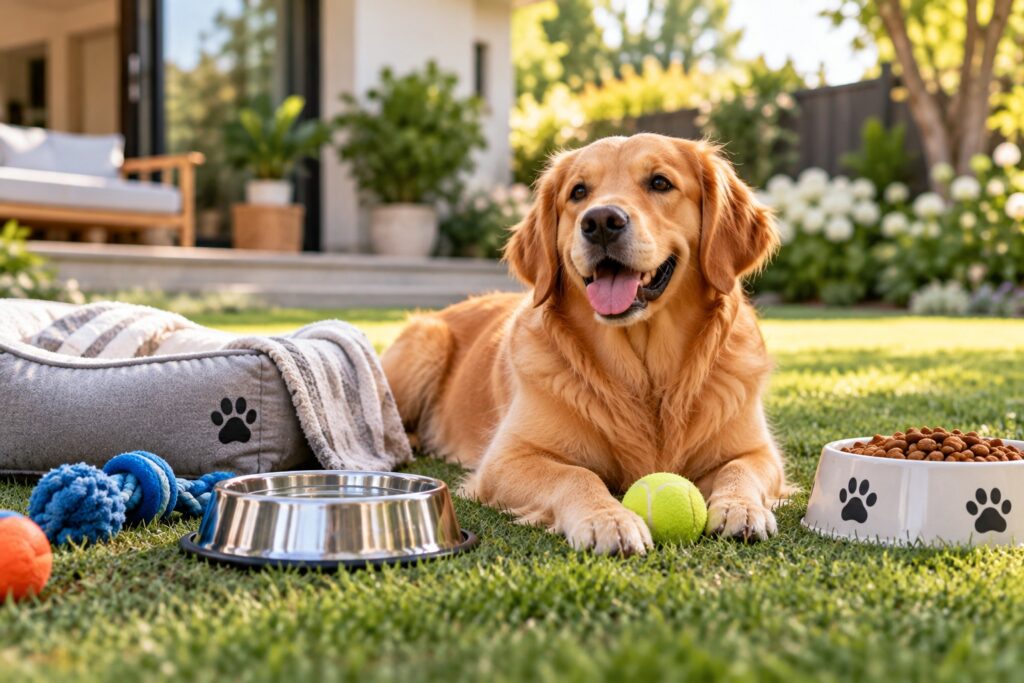
1. Give Your Dog Healthy Food and Fresh Water
One of the most important parts of learning how to take care of a dog is understanding nutrition.
Dogs need appropriate food that provides the nutrients they need for their age, size, activity level, and individual needs.
Choose Appropriate Dog Food
There are many types of dog food available, including dry food, wet food, and other specially formulated options.
When choosing food, consider:
- Your dog’s age
- Size and breed
- Activity level
- Weight
- Individual dietary needs
- Advice from your veterinarian
Puppies, adult dogs, and senior dogs may have different nutritional requirements.
Keep Fresh Water Available
Your dog should have access to clean, fresh water throughout the day.
Wash the water bowl regularly and refill it when necessary.
Avoid Random Human Foods
Not every food that is safe for people is safe for dogs. Some foods can be harmful to dogs.
If you are unsure whether a particular food is appropriate, check with a veterinarian before giving it to your dog.
2. Give Your Dog Regular Exercise
Exercise is another essential part of dog care.
Regular physical activity can help dogs stay active and can provide opportunities for exploration and mental stimulation.
Choose Exercise Based on Your Dog
Different dogs have different exercise needs.
A young, energetic dog may enjoy longer walks and active games, while an older dog may prefer shorter and gentler activities.
Some simple activities include:
- Walking
- Playing fetch
- Running in a safe area
- Playing with toys
- Exploring outdoors
- Basic training games
Avoid Overexercising
More exercise is not always better.
Very young puppies, older dogs, and dogs with certain health conditions may have different exercise requirements.
Pay attention to signs that your dog is tired or uncomfortable and adjust activities accordingly.
Make Exercise Part of the Routine
Try to establish regular activity times.
A predictable routine can make it easier for both you and your dog to stay consistent.
3. Keep Your Dog Clean and Well-Groomed
Grooming is an important part of understanding how to take care of a dog.
Regular grooming can help keep your dog comfortable and gives you an opportunity to notice changes in the skin, coat, ears, paws, or nails.
Brush Your Dog Regularly
The amount of brushing your dog needs depends on its coat type.
Some dogs need frequent brushing to prevent tangles, while short-haired dogs may require less frequent brushing.
Choose a brush suitable for your dog’s coat.
Keep Nails at a Comfortable Length
Overgrown nails can become uncomfortable and may affect how a dog walks.
If you are not comfortable trimming your dog’s nails yourself, ask a professional groomer or veterinarian for help.
Take Care of Dental Hygiene
Dental care is also an important part of dog health.
Regular tooth brushing with products designed specifically for dogs can support oral hygiene. Your veterinarian can also advise you about appropriate dental care.
Check Ears and Skin
During grooming, look for unusual redness, swelling, strong odors, sores, or other changes.
If something looks unusual or your dog seems uncomfortable, contact your veterinarian.
4. Provide Training and Mental Stimulation
Dog care is not only about food and physical health. Dogs also need mental stimulation and guidance.
Training can help your dog understand what is expected and can strengthen the relationship between you and your pet.
Start With Basic Commands
Simple commands can include:
- Sit
- Stay
- Come
- Down
- Leave it
Keep training sessions short and positive.
Use Positive Reinforcement
Reward-based training can encourage desirable behavior.
Rewards may include praise, affection, play, or suitable treats.
Avoid harsh or frightening training methods. The goal is to teach your dog while building trust.
Give Your Dog Something to Do
Dogs can become bored when they have nothing to explore or interact with.
Age-appropriate toys, simple games, and training exercises can provide mental stimulation.
Rotating toys can also help keep familiar activities interesting.
5. Schedule Regular Veterinary Care
Regular veterinary care is one of the most important aspects of responsible dog ownership.
A veterinarian can help monitor your dog’s health and advise you about vaccinations, parasite prevention, nutrition, dental care, and other needs.
Keep Health Records Organized
Keep important information about your dog in one place, including:
- Vaccination records
- Veterinary appointments
- Medications
- Important health information
- Identification details
This can make future veterinary visits easier.
Watch for Changes in Behavior
You know your dog’s normal behavior better than anyone.
Pay attention to changes such as:
- Unusual tiredness
- Loss of appetite
- Changes in drinking
- Persistent vomiting or diarrhea
- Difficulty breathing
- Sudden behavior changes
- Trouble walking
If you notice concerning symptoms, contact a veterinarian.
Keep Preventive Care Up to Date
Your veterinarian can recommend an appropriate preventive-care schedule based on your dog’s age, location, lifestyle, and health history.
Do not rely on a general schedule for every dog because individual needs can differ.
6. Create a Safe and Loving Home
The final tip for how to take care of a dog is to provide a safe, comfortable, and caring environment.
Dogs are social animals and often benefit from regular interaction with their owners.
Make Your Home Dog-Safe
Look around your home from your dog’s perspective.
Keep potentially harmful substances, medications, chemicals, and small objects out of reach.
Secure areas where your dog could escape or become injured.
Give Your Dog a Comfortable Sleeping Area
Your dog should have a clean and comfortable place to rest.
The sleeping area should be in a location where your dog can relax without constant disturbance.
Spend Quality Time Together
Dogs need more than food and shelter.
Spend time walking, playing, training, and simply being around your dog.
Building a strong relationship can make everyday life more enjoyable for both you and your pet.
Daily Dog Care Checklist
A simple checklist can help you stay consistent with your dog’s basic needs.
| Daily Task | Why It Matters |
|---|---|
| Provide fresh water | Supports hydration |
| Give appropriate food | Provides daily nutrition |
| Exercise your dog | Supports physical activity |
| Spend quality time together | Provides companionship |
| Check general behavior | Helps notice unusual changes |
| Clean feeding area | Supports cleanliness |
| Provide rest | Allows recovery and relaxation |
Not every task needs to happen at exactly the same time. The goal is to create a routine that works for your household and your dog’s needs.
Simple Dog Care Routine
Here is an example of a basic daily routine:
| Time | Activity |
|---|---|
| Morning | Fresh water, breakfast, short walk |
| Midday | Water check, rest, play or mental activity |
| Afternoon | Exercise or outdoor time |
| Evening | Dinner, walk, training or play |
| Night | Final bathroom break and quiet rest |
Your dog’s ideal routine may be different depending on age, health, breed, and lifestyle.
Common Dog Care Mistakes to Avoid
Even caring owners can make mistakes. Understanding common problems can help you provide better care.
Overfeeding
Giving too much food or too many treats can contribute to unhealthy weight gain.
Follow appropriate feeding guidance and discuss your dog’s ideal weight with your veterinarian.
Ignoring Exercise
Dogs need regular activity, although the amount varies between individual dogs.
Try to provide appropriate physical and mental activities every day.
Skipping Grooming
Neglecting grooming can lead to uncomfortable mats, overgrown nails, or missed skin problems.
Using Human Products
Some human shampoos, medications, or other products may not be suitable for dogs.
Use products specifically designed for dogs unless your veterinarian recommends otherwise.
Ignoring Behavioral Changes
A sudden change in behavior can sometimes indicate that something is wrong.
If your dog’s behavior changes significantly, consider discussing it with your veterinarian.
How to Make Dog Care Easier
Good dog care becomes much easier when you create a routine.
Keep food, water, grooming supplies, toys, and important records organized.
You can also set reminders for veterinary appointments, grooming, vaccinations, and other regular tasks.
Most importantly, get to know your dog. Notice what makes your pet comfortable, what activities it enjoys, and what changes from its normal behavior.
Frequently Asked Questions
How often should I feed my dog?
Feeding frequency can depend on your dog’s age, size, health, and the type of food being used. Follow the feeding guidance for the food and ask your veterinarian if you are unsure about your dog’s specific needs.
How much exercise does a dog need?
Exercise needs vary significantly between dogs. Age, breed, health, size, and energy level can all affect the appropriate amount. Your veterinarian can help you determine a suitable routine.
How often should I groom my dog?
It depends on your dog’s coat type and grooming needs. Some dogs need frequent brushing, while others need less. Nail care and dental hygiene should also be part of regular care.
What should I do if my dog stops eating?
A sudden loss of appetite can have many causes. If your dog refuses food, especially if other symptoms are present, contact a veterinarian for advice.
How can I keep my dog mentally stimulated?
Training sessions, interactive toys, games, walks, and opportunities to explore can provide mental stimulation. Choose activities that are suitable for your dog’s age and abilities.
Is it important to take my dog to the veterinarian regularly?
Yes. Regular veterinary visits can help monitor your dog’s health and provide guidance on preventive care, nutrition, vaccinations, dental health, and other needs.
How can I make my dog feel comfortable at home?
Provide fresh water, appropriate food, a comfortable sleeping area, regular exercise, mental stimulation, and plenty of positive interaction. A safe and predictable routine can also help your dog feel secure.
Conclusion
Learning how to take care of a dog is mainly about providing consistent, responsible, and loving care.
The six basic areas to focus on are healthy nutrition, regular exercise, grooming, training and mental stimulation, veterinary care, and a safe home environment.
Remember that every dog is different. Your dog’s age, breed, size, activity level, and health can affect its individual needs.
Start with a simple daily routine and pay attention to your dog’s behavior. When you combine good everyday habits with appropriate professional veterinary care, you can help your dog enjoy a healthier, happier, and more comfortable life.