
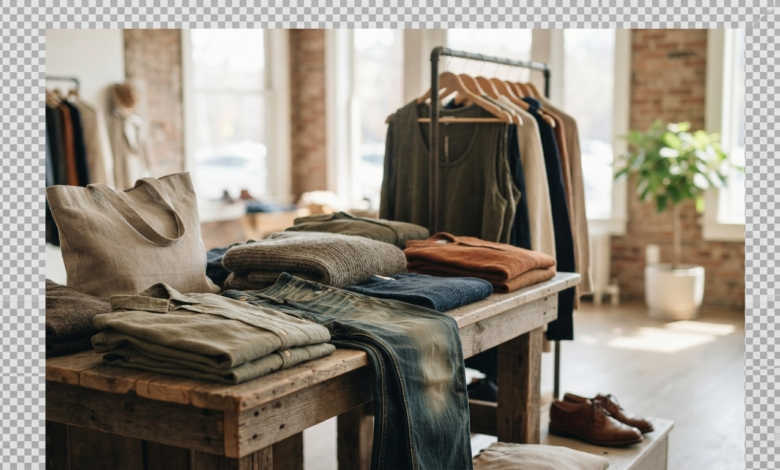
Fast fashion has made clothing more affordable and accessible, but it has also created concerns about waste, overproduction, worker conditions, and the environmental impact of clothing production. As a result, more shoppers are looking for brands that are not fast fashion.
Instead of releasing large amounts of inexpensive clothing at a rapid pace, slow fashion and sustainable brands often focus more on durability, responsible materials, ethical production, transparency, repair, and longer product life.
However, finding genuinely responsible clothing brands is not always easy. A brand may use words such as “eco-friendly,” “conscious,” or “sustainable” without offering the full picture.
In this guide, we will look at some well-known slow fashion brands and sustainable clothing brands, explain what makes them different, and share practical tips for identifying better fashion choices.
What Does “Not Fast Fashion” Mean?
Before looking at specific brands, it is important to understand what the term means.
Brands that are not fast fashion generally do not build their entire business model around extremely rapid production, low prices, and constantly changing trends.
Instead, they may emphasize:
- Longer-lasting clothing
- Better-quality materials
- Responsible production
- Fair labor practices
- Smaller production runs
- Timeless designs
- Repair and resale
- Recycled or preferred materials
- Supply chain transparency
Slow fashion is commonly described as an alternative to fast fashion that focuses on buying better-quality garments less frequently and keeping clothing in use for longer.
Being outside the fast-fashion category does not automatically mean a brand is perfectly sustainable. Every clothing company has some environmental and social impact.
10 Brands That Are Not Fast Fashion
There are many companies that take different approaches to sustainability and responsible fashion. The following brands are useful examples to research when building a more conscious wardrobe.
| Brand | Best Known For | Sustainability Focus | Best For |
|---|---|---|---|
| Patagonia | Outdoor clothing | Recycled materials, repair, Fair Trade | Outdoor wear |
| Reformation | Modern fashion | Lower-impact materials, circularity | Dresses and fashion |
| Eileen Fisher | Minimalist clothing | Circularity and responsible materials | Everyday wardrobe |
| Kotn | Cotton basics | Responsible cotton and community programs | T-shirts and basics |
| PACT | Organic basics | Organic cotton and ethical production | Affordable basics |
| Outerknown | Casual clothing | Responsible materials and supply chain | Casual wear |
| Tentree | Everyday basics | Lower-impact materials and environmental projects | Casual clothing |
| Thought | Natural-fiber clothing | Organic and natural materials | Everyday style |
| Girlfriend Collective | Activewear | Recycled materials | Workout clothing |
| Everlane | Modern essentials | Material and supply chain initiatives | Everyday basics |
The sustainability practices of individual brands can change, and a brand may have both stronger and weaker product lines. It is always useful to check current product information and sustainability reports before buying.
1. Patagonia
Patagonia is one of the most recognized names in responsible outdoor clothing.
The company focuses heavily on product durability, repair, recycled materials, and responsible production.
Patagonia currently reports that more than 90% of its products are made in Fair Trade Certified factories, while preferred materials make up a large portion of its product line. It also reports that all virgin cotton used in its clothing is grown using organic practices.
Why Choose Patagonia?
Patagonia can be a strong choice if you want:
- Durable outdoor clothing
- Jackets
- Fleece
- Hiking clothing
- Technical apparel
- Repairable products
Its focus on keeping clothing in use longer also fits well with the principles of slow fashion.
2. Reformation
Reformation is a fashion brand that has built much of its identity around sustainability.
The company focuses on lower-impact materials, responsible manufacturing, circularity, and transparency. Its sustainability program includes material standards, factory information, resale, recycling, and clothing-care guidance.
What Makes Reformation Different?
The brand focuses on fashionable clothing while attempting to reduce the environmental impact associated with production.
Reformation also publishes information about its factories and says it discloses its Tier 1 finished-goods manufacturers and subcontractors.
It can be a useful option for shoppers who want fashionable pieces without relying entirely on traditional fast-fashion retailers.
3. Eileen Fisher
Eileen Fisher is another brand often associated with minimalist and more responsible fashion.
The company is known for simple designs that can remain useful for many years rather than depending entirely on short-lived trends.
Why It Fits Slow Fashion
A minimalist wardrobe can naturally support slow fashion because versatile pieces can be worn repeatedly and combined in different ways.
Eileen Fisher is particularly appealing if you prefer:
- Simple designs
- Neutral colors
- Comfortable clothing
- Workwear
- Timeless wardrobe pieces
4. Kotn
Kotn focuses heavily on cotton basics.
The company describes its products as timeless designs and emphasizes the people and communities involved in producing them. Kotn is also a certified B Corporation and reports investments in farms, schools, infrastructure, and communities.
Best For
Kotn can be a good option if you are looking for:
- T-shirts
- Sweatshirts
- Casual basics
- Simple everyday clothing
Its focus on long-lasting wardrobe staples makes it relevant when comparing brands that are not fast fashion.
5. PACT
PACT is known primarily for organic cotton basics.
Its product range includes items such as underwear, T-shirts, leggings, dresses, and other everyday essentials.
Why Consider PACT?
If you are trying to build a more responsible wardrobe, basics can be a good place to start.
Instead of purchasing many trend-based pieces, you can invest in everyday clothing that you expect to wear regularly.
Current 2026 sustainable-fashion comparisons frequently include PACT among options for affordable organic basics.
6. Outerknown
Outerknown focuses on casual and outdoor-inspired clothing.
The brand has emphasized responsible materials, supply chain transparency, and product longevity.
Best For
Outerknown can be worth considering if your wardrobe includes:
- Casual shirts
- Sweaters
- Jackets
- Shorts
- Everyday basics
- Surf-inspired clothing
The brand is particularly relevant for people who want a casual wardrobe with a stronger focus on responsible production.
7. Tentree
Tentree focuses on everyday clothing and environmental initiatives.
The brand offers casual products such as T-shirts, hoodies, sweatshirts, pants, and activewear.
What Makes It Interesting?
Tentree is known for connecting clothing purchases with environmental projects.
However, as with any sustainability-focused company, shoppers should look at the specific materials, manufacturing information, and current claims rather than assuming every product has the same environmental impact.
8. Thought
Thought is known for using natural and lower-impact materials in many of its products.
Its collections have included materials such as organic cotton, bamboo, hemp, and other natural fibers.
Best For
Thought can appeal to shoppers who prefer:
- Natural fabrics
- Comfortable clothing
- Dresses
- Knitwear
- Casual everyday pieces
Natural fibers are not automatically sustainable, but material selection is one of several factors worth considering when evaluating clothing.
9. Girlfriend Collective
Girlfriend Collective focuses heavily on activewear.
Its products include leggings, sports bras, tops, shorts, and other workout clothing.
The brand is particularly known for using recycled materials in various products.
Why Consider It?
If you want alternatives to conventional fast-fashion activewear, a brand focused specifically on durable workout clothing can be worth exploring.
Look at the material composition and care instructions of individual products because recycled synthetic materials still have environmental considerations.
10. Everlane
Everlane focuses on modern wardrobe essentials.
The brand has historically emphasized transparency around factories and pricing, while also introducing lower-impact materials and sustainability initiatives.
Best For
Everlane can be useful for shoppers looking for:
- Shirts
- Jeans
- Sweaters
- Jackets
- Shoes
- Everyday basics
It sits closer to mainstream fashion than some specialist slow-fashion companies, so individual product details matter when evaluating sustainability.
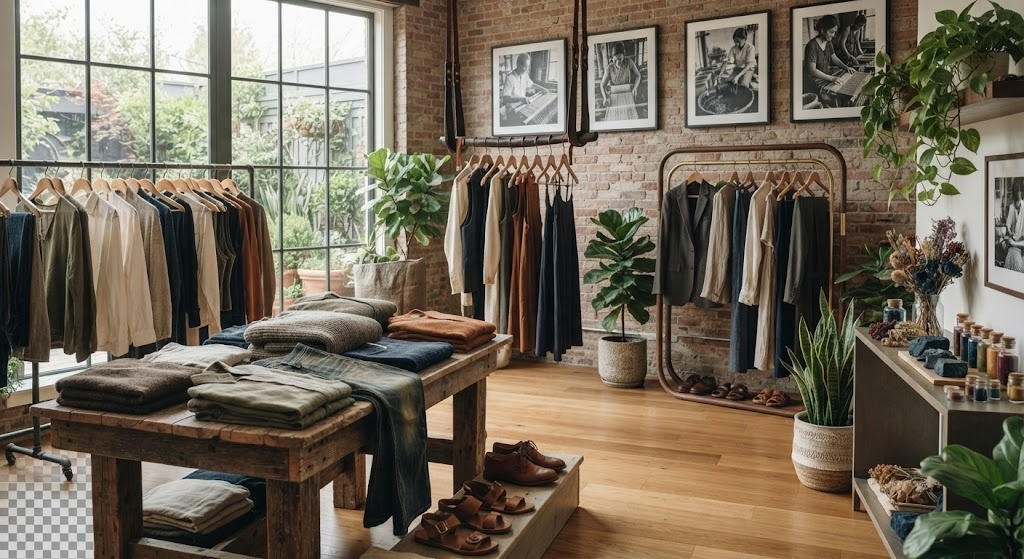
Slow Fashion Brands vs. Fast Fashion
Understanding the difference can help you make better shopping decisions.
| Feature | Fast Fashion | Slow Fashion |
|---|---|---|
| Production speed | Very high | Usually slower |
| Trend cycles | Very frequent | Less trend-dependent |
| Product lifespan | Often shorter | Designed for longer use |
| Price | Often very low | Usually moderate to high |
| Materials | Varies | Often preferred materials |
| Production volume | High | Often more controlled |
| Repair | Less emphasized | Often encouraged |
| Resale | Less central | Often encouraged |
| Main priority | Speed and affordability | Quality and longevity |
This does not mean every slow-fashion brand is perfect or every fast-fashion product is poor quality. These are general differences between the two approaches.
What Makes a Sustainable Clothing Brand?
The term “sustainable” can mean different things.
A strong evaluation should consider several areas rather than just one environmental claim.
Materials
Look for information about:
- Organic fibers
- Recycled materials
- Regenerative materials
- Certified fibers
- Lower-impact alternatives
But remember that no material is automatically perfect.
Labor Practices
Responsible clothing production should consider the people who make the products.
Look for information about:
- Factory conditions
- Worker safety
- Wages
- Audits
- Worker empowerment
- Supply chain transparency
Durability
One of the simplest sustainability questions is:
Will I actually wear this item for years?
A durable piece that you wear 100 times can be a better purchase than a supposedly sustainable item that sits unused in your closet.
Circularity
Circular fashion focuses on keeping garments and materials in use for longer.
This can include:
- Repairs
- Resale
- Reuse
- Recycling
- Take-back programs
These approaches can help reduce clothing waste.
How to Identify Brands That Are Not Fast Fashion
You do not have to rely only on a brand’s marketing.
There are several things you can check yourself.
1. Look at Production Speed
If a company constantly launches huge numbers of new products and encourages customers to purchase new items every few days, it may be closer to the fast-fashion model.
2. Check Material Information
Responsible brands usually provide useful information about what their products are made from.
Look for specific details rather than vague claims such as “green” or “eco.”
3. Look for Certifications
Certifications can provide additional information about specific materials or production standards.
Examples include:
- GOTS
- Fair Trade Certified
- OEKO-TEX
- B Corp
However, certifications cover different things. For example, GOTS focuses on organic textiles and processing requirements, while other certifications may focus on social or chemical standards.
4. Check Supply Chain Transparency
A company that provides information about factories and suppliers gives consumers more opportunity to evaluate its production practices.
Transparency does not automatically equal sustainability, but it is a useful starting point.
How to Shop More Sustainably
You do not need to replace your entire wardrobe to make better choices.
Buy Less
The easiest way to reduce fashion consumption is to buy fewer unnecessary items.
Before purchasing, ask yourself whether you really need the product.
Choose Versatile Clothing
A simple shirt that works with several outfits can provide more value than a highly specific trend piece.
Buy Secondhand
Secondhand clothing can extend the life of garments that already exist.
It can also reduce demand for new production.
Repair Your Clothes
A missing button, small tear, or loose seam does not necessarily mean a garment needs to be thrown away.
Basic repairs can significantly extend the useful life of clothing.
Take Care of Your Clothing
Follow washing instructions and avoid unnecessary washing when possible.
Proper care can help clothing last longer.
Are Sustainable Clothing Brands Always Better?
Not necessarily.
Sustainability is complicated because clothing has impacts throughout its life cycle.
A brand may use recycled materials but have other environmental challenges. Another may make durable products but have limited supply-chain information.
That is why it is better to evaluate several factors together:
Materials + labor + durability + production + transparency + end-of-life options
This gives you a more realistic picture than focusing on one marketing claim.
Frequently Asked Questions
What are brands that are not fast fashion?
Brands that are not fast fashion generally focus less on extremely rapid production and constant trend cycles. Examples often discussed in the slow or sustainable fashion space include Patagonia, Reformation, Eileen Fisher, Kotn, PACT, and Outerknown.
What is slow fashion?
Slow fashion is an approach that emphasizes quality, longer product life, responsible consumption, and more thoughtful production rather than rapid trend cycles and high-volume consumption.
Are slow fashion brands more expensive?
They often are. Higher prices can result from better materials, smaller production volumes, fairer labor practices, or more durable construction. However, price alone does not prove that a brand is sustainable.
What are some sustainable clothing brands?
Examples include Patagonia, Reformation, Eileen Fisher, Kotn, PACT, Outerknown, Tentree, and other brands that have sustainability or responsible-production programs.
How can I tell if a clothing brand is sustainable?
Look at its materials, factory information, labor policies, certifications, production practices, repair or resale programs, and sustainability reporting. Avoid relying only on words such as “eco-friendly” or “conscious.”
Is buying secondhand better than buying new sustainable clothing?
Secondhand shopping can be a strong option because it gives existing clothing another life and reduces the need for new production. However, the best choice also depends on how often you use and care for the clothing.
Conclusion
Finding brands that are not fast fashion can be a great starting point if you want to build a more thoughtful wardrobe.
Brands such as Patagonia, Reformation, Eileen Fisher, Kotn, PACT, Outerknown, and others show different approaches to slow and sustainable fashion. Some focus on durable outdoor clothing, while others specialize in organic basics, modern fashion, activewear, or minimalist wardrobe pieces.
However, no brand should automatically be considered perfect simply because it uses the word “sustainable.” Look beyond marketing and examine materials, production practices, worker conditions, transparency, durability, and end-of-life options.
You can also make a meaningful difference through your own shopping habits. Buy fewer items, choose clothing you will wear repeatedly, repair damaged pieces, consider secondhand shopping, and take good care of what you already own.
Ultimately, the goal is not to create a perfect wardrobe overnight. It is to make more thoughtful choices and move away from unnecessary consumption.
When you understand what makes slow fashion brands and sustainable clothing brands different, it becomes much easier to choose clothing that fits both your personal style and your values.