

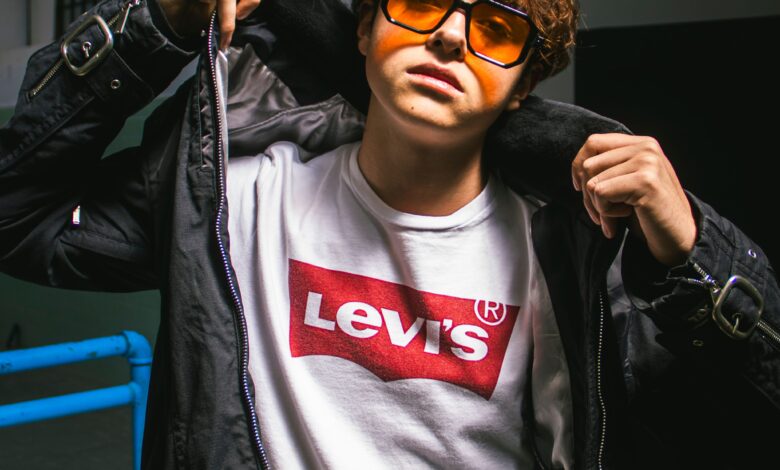
Is Levi’s fast fashion? No, its not! It is a heritage denim brand built around long lasting basics rather than weekly trend drops. Its core products like the 501 have barely changed in decades which is the opposite of the fast fashion model.
That said Levi’s is a huge global company. It produces at scale overseas like most large clothing brands.
Here is the honest breakdown of where it sits and how to buy the best quality pairs.
Why Levi’s Is Not Fast Fashion
Fast fashion depends on speed and disposability. Levi’s business works differently.
- Core products stay the same. The 501 has been sold since the 1800s.
- Denim is built to last. Well made jeans survive years of wear.
- No weekly trend drops. Collections update seasonally not constantly.
- Strong resale market. Vintage Levi’s sell for more than retail which signals durability.
- Repair culture. Many owners patch and keep jeans for a decade.
A brand whose products people hunt for secondhand decades later is not built on disposability.
Where Levi’s Is Still Just a Big Brand
Being not fast fashion does not mean it is a small ethical label. Be fair about both sides.
| Factor | How Levi’s compares |
| Production scale | Very large and global |
| Manufacturing | Mostly overseas contract factories |
| Price range | Mid market not premium |
| Sustainability efforts | Public programs and water reduction targets |
| Trend items | Some seasonal pieces follow trends |
| Transparency | Publishes supplier information |
So the accurate label is mainstream heritage brand. It is a step above fast fashion on durability and well behind small slow fashion labels on scale.
Quality Varies by Line
This is the part shoppers most need to know. Not all Levi’s are equal.
- Premium and Made and Crafted lines. Heavier denim better construction higher price.
- Core lines like 501 and 511. Solid everyday quality at mid price.
- Value and outlet lines. Thinner fabric and more stretch. Wear out faster.
- Fashion collaborations. Trend driven and variable.
Outlet specific styles are often made to a lower spec than the same numbered jean in a regular store. If quality matters check the fabric weight and where you are buying.
How to Spot a Good Pair
Use these checks before you buy.
- Check the fabric content. Higher cotton percentage usually lasts longer.
- Look at the weight. Heavier denim wears in better and lasts longer.
- Feel the stitching. Tight even stitching signals better construction.
- Avoid heavy stretch if longevity is your goal. Elastane breaks down over time.
- Try selvedge if you want the most durable option.
100 percent cotton jeans feel stiff at first. They mold to you over a few weeks and outlast stretch denim by years.
Making Jeans Last Longer
Denim rewards good care. These habits genuinely extend their life.
- Wash less often. Every few wears is plenty for most people.
- Wash cold and inside out to protect the color.
- Skip the dryer. Air dry to prevent shrinking and fiber damage.
- Spot clean small marks instead of a full wash.
- Repair small holes early before they spread.
Washing less is the single biggest factor. Many denim fans go months between washes and air out their jeans instead.
Better Value Ways to Buy
If you want Levi’s without the full price:
- Buy secondhand. Used Levi’s are everywhere and often better made.
- Look for vintage 501s. Older pairs often used heavier denim.
- Shop end of season sales rather than outlet exclusive lines.
- Buy one good pair instead of three cheap ones.
Secondhand is the strongest move both for your wallet and for waste.
The History Behind the Brand
Part of why Levi’s is not fast fashion is its history. The company has made denim since the 1800s.
The 501 jean has been sold for well over a century with only small changes. That kind of consistency is the opposite of the fast fashion model which chases new looks every week.
A brand built on a product that barely changes is built on durability not disposability. That heritage shapes how it still operates today.
How to Tell Quality Levels Apart
Not every pair with the Levi’s label is made the same. Here is how to read the differences.
- Premium lines use heavier denim and better stitching
- Core numbered jeans like the 501 offer solid mid range quality
- Outlet exclusive styles are often made to a lower spec
- Collaborations vary and are usually trend pieces
Check the fabric weight and cotton content on the tag. Heavier all cotton denim lasts far longer than thin stretchy versions.
Are Levi’s Worth the Price
For most people yes if you buy the right pair. A well made pair of jeans worn for years costs little per wear.
- A 40 dollar pair worn twice costs 20 dollars a wear
- A 70 dollar pair worn 200 times costs almost nothing per wear
That math is why quality basics beat cheap trend buys over time. Buy fewer better pairs and wear them often.
Frequently Asked Questions
Is Levi’s considered fast fashion?
No. Levi’s is a heritage denim brand focused on long lasting core products rather than rapid trend cycles. It is a large mainstream company but its business model is not built on disposable clothing.
Is Levi’s good quality?
Generally yes though it varies by line. Core products like the 501 offer solid quality for the price. Outlet exclusive styles are often made to a lower spec so check the fabric weight and content.
Are Levi’s ethical?
They sit in the middle. Levi’s publishes supplier information and has public sustainability targets which is more than many peers. It is still a large scale global manufacturer and not a certified ethical label.
How long should a pair of Levi’s last?
With good care several years. All cotton pairs washed rarely and air dried can last a decade. Heavy stretch styles wear out much faster as the elastane breaks down.
Final Take
Levi’s is not fast fashion. It is a mainstream heritage brand whose best products are genuinely built to last.
Your next step is easy. Check the fabric tag on the pair you are considering. If it is mostly cotton with little or no stretch you are looking at a pair that will outlast three cheaper ones.