
Better sleep is mostly about your habits, not luck. To get better
sleep, keep a steady sleep schedule, make your room dark and cool, cut
screens and caffeine before bed, and give yourself time to wind down.
These simple changes help you fall asleep faster and sleep more deeply.
You do not need pills or gadgets. Small, consistent habits do the most.
Here is exactly how to get better sleep, starting tonight.
For more ways to create a calmer routine, explore these self-care ideas.
Sleep is the foundation of how you feel every day, yet so many people
struggle with it. In fact, the CDC says adults need at least 7 hours of sleep a night, but roughly a third of US adults regularly get less. If
that is you, the good news is that better sleep is very fixable. Let us
go through the habits that matter most.
Table of Contents
How to Get Better Sleep
(Quick Answer)
The habits that help most:
-
Go to bed and wake up at the same time daily
-
Keep your bedroom dark, cool, and quiet
-
Avoid screens for an hour before bed
-
Cut caffeine in the afternoon and evening
-
Wind down with a calm routine before bed
Do these consistently and your sleep improves within a week or
two.
Learning how to get better sleep is easier when you begin with one habit and repeat it nightly.
Why Sleep Matters So Much
Before the how, here is the why. Sleep is not wasted time. It is when
your body and mind repair and reset.
Good sleep supports your mood, focus, memory, and immune system. Poor
sleep is linked to a higher risk of heart disease, weight gain, and low
mood. Given that the CDC reports so many adults fall short of the
recommended 7 hours, improving your sleep is one of the highest-impact
things you can do for your health.
Keep a Steady Sleep Schedule
This is the single most powerful sleep habit. Going to bed and waking
up at the same time every day sets your body clock.
Try to keep your schedule steady, even on weekends. When your body
knows when to expect sleep, you fall asleep faster and wake up more
easily. An erratic schedule, on the other hand, leaves your body
confused and your sleep poor. Pick a bedtime and wake time you can stick
to, and hold them.
This reliable rhythm is a practical answer to how to get better sleep when your evenings feel inconsistent.
Fix Your Sleep Environment
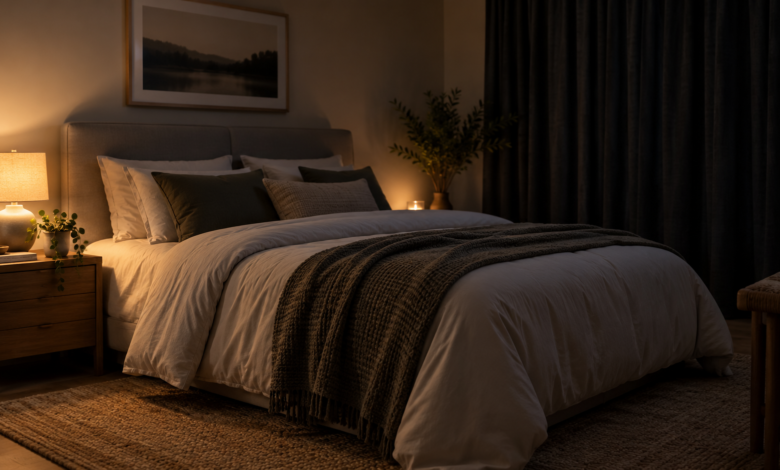
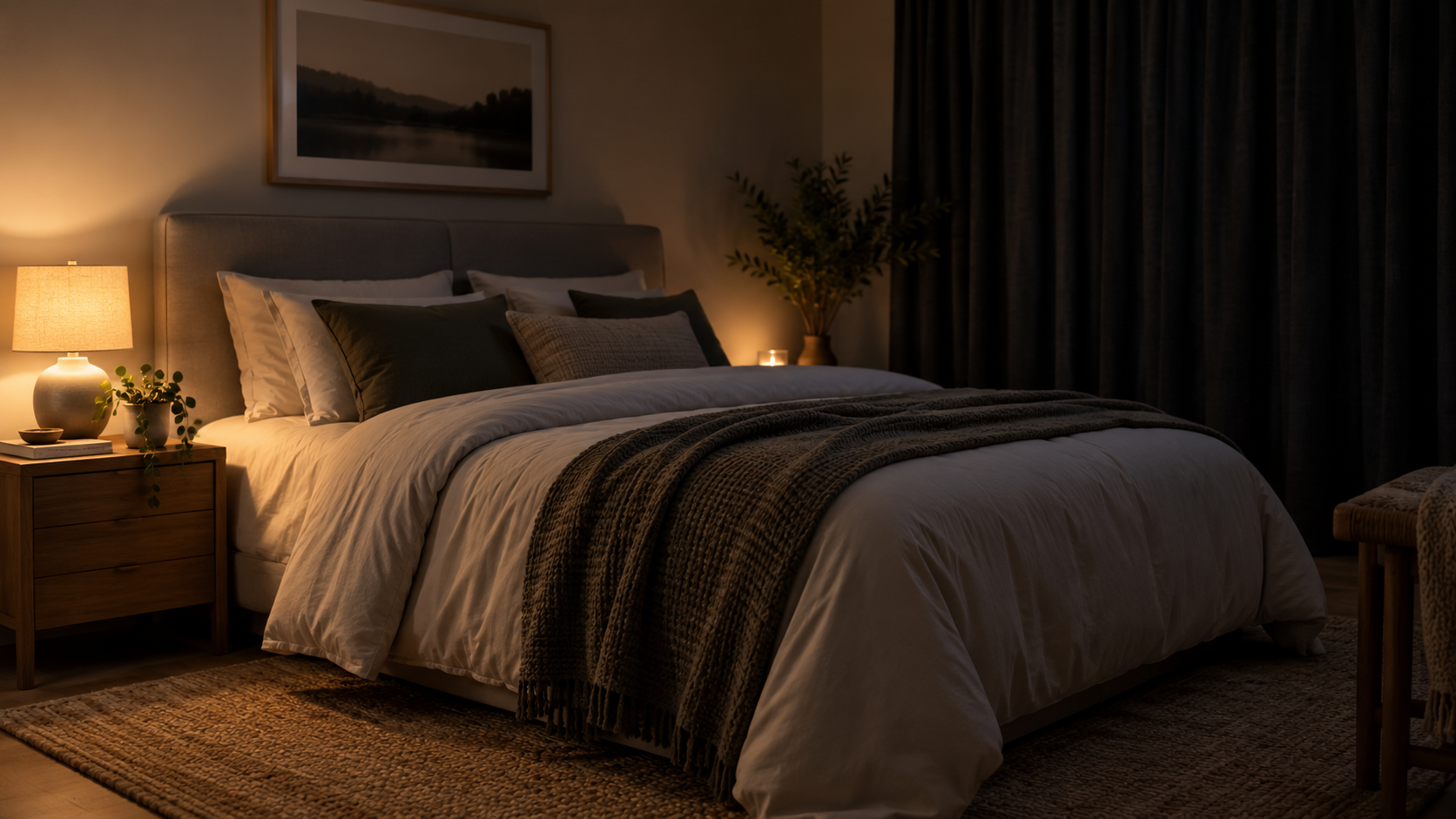
Your bedroom has a big effect on how well you sleep. A few simple
changes make it sleep-friendly.
-
Keep it dark. Use blackout curtains or an eye mask.
Darkness helps your body make sleep hormones. -
Keep it cool. A slightly cool room helps you sleep
more deeply. -
Keep it quiet. Use earplugs or a white noise machine
if needed. -
Make the bed comfortable. A supportive mattress and
pillow matter. -
Reserve the bed for sleep. Do not work or scroll in
bed.
A dark, cool, quiet room signals to your body that it is time to
rest.
Cut Screens and Caffeine
Two everyday habits quietly wreck sleep: late screens and late
caffeine. Fixing both helps a lot.
Screens give off light that keeps your brain alert and delays sleep.
Try to switch them off an hour before bed. Caffeine stays in your system
for hours, so an afternoon coffee can still be keeping you up at night.
Cut caffeine after midday, and see the difference.
Good Sleep Habits and Ones
to Avoid
Here is a quick reference for better sleep.
| Do | Avoid |
|---|---|
| Keep a steady schedule | Irregular bed and wake times |
| Dark, cool, quiet room | A bright, warm, noisy room |
| Wind down before bed | Screens right up to lights out |
| Morning daylight | Afternoon and evening caffeine |
| A calm bedtime routine | Heavy meals late at night |
Watch What You Eat and
Drink at Night
What you consume in the evening affects your sleep more than most
people realize. A few tweaks help you sleep deeper.
Avoid heavy meals close to bedtime, since digesting a big dinner can
keep you awake. Go easy on alcohol too. It may make you drowsy at first,
but it disrupts your sleep later in the night and leaves you less
rested. And while a warm drink can be soothing, skip caffeine and too
much liquid right before bed so you are not up in the night. A light
evening and a calm stomach set you up for better rest.
Create a Wind-Down Routine
Your body needs a signal that the day is ending. A calm pre-bed
routine helps you shift into sleep mode.
In the last hour before bed, dim the lights and do something
relaxing. Read a book, take a warm shower, stretch gently, or listen to
calm music. Avoid stressful tasks and bright screens. Doing the same
calming steps each night trains your body to feel sleepy on cue. This
routine is often the missing piece for people who lie awake.
Get Daylight and Move
During the Day
What you do during the day shapes how well you sleep at night. Two
daytime habits stand out.
First, get natural light, especially in the morning. Daylight sets
your body clock and helps you feel sleepy at the right time in the
evening. Open the curtains, step outside, or take a short morning walk.
Second, move your body during the day. Regular activity helps you fall
asleep faster and sleep more deeply, though it is best not to do intense
exercise right before bed. A day with light and movement sets up a night
of better sleep.
When to See a Doctor
Good habits fix most sleep troubles, but not all. Sometimes there is
more going on.
If you consistently struggle to sleep despite good habits, snore
heavily, or feel exhausted no matter how long you sleep, it is worth
talking to a doctor. Sleep problems can have medical causes that are
very treatable. There is no need to just live with poor sleep.
What to Do If You Cannot
Sleep
Sometimes you do everything right and still lie awake. What you do in
that moment matters.
If you have been in bed unable to sleep for around 20 minutes, do not
just lie there getting frustrated, since that trains your brain to link
the bed with stress. Instead, get up, go to another room, and do
something calm and boring in dim light until you feel sleepy, then
return to bed. Avoid checking the time or reaching for your phone. This
simple reset breaks the cycle of tossing and turning and helps you get
back to sleep faster.
Frequently Asked Questions
How can I fall asleep faster? Keep a steady bedtime,
wind down with a calm routine, and avoid screens and caffeine before
bed. A dark, cool room helps too. When your body expects sleep at a set
time, you drift off faster.
How many hours of sleep do I really need? The CDC
recommends adults get at least 7 hours a night. Many people get less,
which is linked to health problems. If you wake up tired most days, you
may need more or better-quality sleep.
Why do I keep waking up at night? Common causes
include a warm or bright room, late screens, caffeine, alcohol, or
stress. Fix your environment and evening habits first. If it continues
despite good habits, see a doctor.
Do screens really affect sleep? Yes. Screen light
keeps your brain alert and delays sleep, and scrolling keeps your mind
active. Switching off screens an hour before bed is one of the simplest
ways to sleep better.
Return to this guide on how to get better sleep whenever you need a simple reset.
Start With One Habit Tonight
You do not need to change everything at once. Tonight, pick one habit
from this guide, like setting a fixed bedtime or switching off screens
an hour early, and try it. Add another next week. Small, steady changes
are exactly how to get better sleep for good. Choose your first habit
now, and give your body the rest it needs. Better sleep tends to
snowball: one good night makes the next easier, and within a couple of
weeks the new habits feel natural.
If you are still learning how to get better sleep, choose one bedtime habit you can maintain this week.