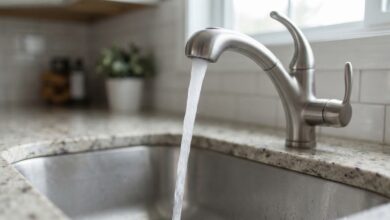

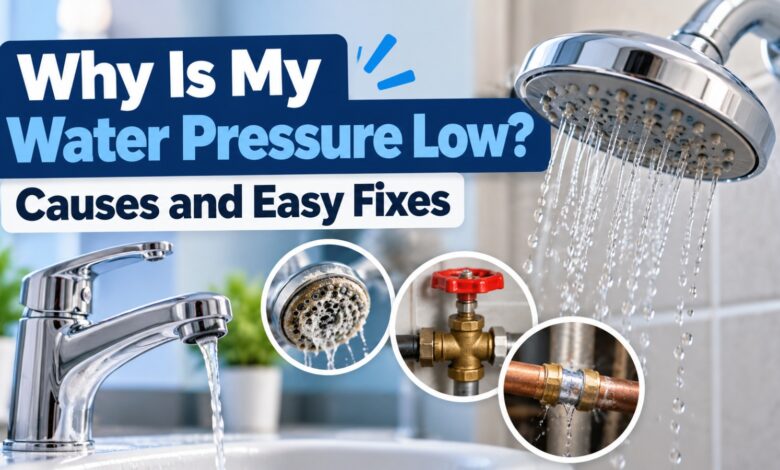
Low water pressure can make everyday household activities frustrating. Your shower may produce a weak stream, the kitchen faucet may take too long to fill a pot, or your washing machine may fill more slowly than usual. Sometimes the problem affects just one tap, while in other cases, the entire house experiences reduced water flow.
If you are asking, why is my water pressure low, the answer depends on your plumbing system and water supply. Common reasons include clogged showerheads, partially closed valves, leaking pipes, faulty pressure regulators, and problems with the municipal water supply.
The good news is that some issues are easy to identify and resolve. This guide explains the most common low water pressure causes, how to troubleshoot them, and when you should contact a plumber.
Why Is My Water Pressure Low?
Water pressure is the force that pushes water through your home’s plumbing system. When that pressure drops, water may come out of faucets and showerheads more slowly than expected.
Several factors can cause this problem, including blockages, plumbing damage, supply interruptions, and equipment that is not working correctly.
Before attempting to fix low water pressure, determine whether the problem affects one fixture, one part of the house, or every tap.
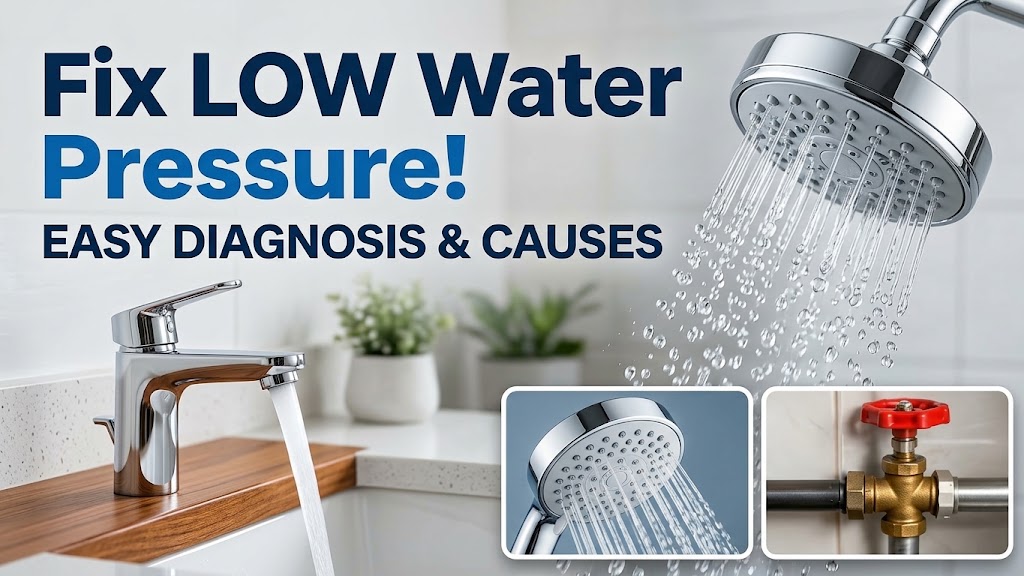
1. A Clogged Faucet Aerator or Showerhead
Mineral deposits, sand, rust particles, and other debris can collect inside faucet aerators and showerheads. These deposits restrict the openings through which water flows.
This is a common reason for weak water flow from a single fixture.
How to fix it:
- Remove the faucet aerator if it can be unscrewed safely.
- Rinse away loose debris.
- Clean mineral deposits with a suitable descaling solution according to the manufacturer’s instructions.
- Clean or replace a clogged showerhead.
- Test the water flow again.
If cleaning restores normal flow, there may be no need to replace the entire faucet or shower system.
2. The Main Water Valve Is Partly Closed
Your home’s main shutoff valve controls the incoming water supply. If it is not fully open, it may restrict water flow throughout the property.
This can happen after plumbing maintenance, repairs, or work on the water supply.
Check the valve position without forcing it. A lever-style valve is generally open when its handle is parallel to the pipe. A wheel-style valve typically opens by turning counterclockwise.
If the valve is stuck, damaged, or leaking, ask a plumber to inspect it.
3. A Water Supply Problem
Sometimes the cause of low water pressure is outside your home.
Municipal maintenance, damaged supply lines, water shortages, or changes in demand can affect the pressure reaching your property. In apartments and shared buildings, the problem may involve a common water tank, pump, or distribution system.
What you can do:
- Check whether all taps are affected.
- Ask neighbors whether they are experiencing the same issue.
- Contact your water supplier or building management.
- Ask whether maintenance or a supply interruption has been reported.
If neighboring properties have the same problem, repairing your own faucets may not solve it.
4. Leaking Pipes
Leaking pipes are another possible explanation for reduced water pressure. Water escaping from damaged plumbing can waste water and may affect the flow available at fixtures.
Look for signs such as:
- Damp patches on walls or ceilings
- Water stains near pipes
- Wet areas under sinks
- Unusual dripping sounds
- Unexpected increases in water bills
- Water meter movement when all water-using fixtures are off
A hidden leak may not be visible, especially when pipes run behind walls or under floors.
If you suspect a leak, arrange a plumbing inspection promptly. A major leak can damage your property and should not be ignored.
5. A Faulty Water Pressure Regulator
Some homes have a pressure-reducing valve, often called a pressure regulator. It controls the pressure entering the plumbing system.
If the regulator becomes faulty or is set incorrectly, water pressure may be too low or may fluctuate.
A plumber can measure the incoming pressure and determine whether the regulator needs adjustment or replacement.
Avoid adjusting it without measuring the pressure first. Excessive water pressure can damage plumbing fixtures, appliances, and pipe connections.
6. Clogged or Corroded Pipes
Older plumbing systems may develop internal corrosion, mineral buildup, or other restrictions. These problems can reduce the amount of water passing through the pipes.
Corroded or restricted pipes may be responsible when:
- Several fixtures have weak flow.
- Water pressure has gradually decreased over time.
- The property has older metal plumbing.
- Cleaning faucet aerators does not improve the problem.
Pipe replacement or repair may be necessary, but the cause should be confirmed before major work begins. A qualified plumber can inspect the system and recommend the appropriate solution.
7. A Problem With the Water Heater
If cold water pressure is normal but hot water pressure is low, the issue may be related to the hot-water system.
Possible causes include a restricted hot-water pipe, a partly closed valve, a faulty mixing valve, or sediment affecting equipment.
Compare hot and cold water flow at the same fixture. If cold water flows normally but hot water does not, the problem may be limited to the hot-water side.
Water heaters can involve hot water, electricity, gas, and pressure-related hazards. Do not dismantle the equipment yourself; have a qualified professional inspect it.
8. High Water Demand
Water pressure can drop when several fixtures use water at the same time, especially when the supply or plumbing system has limited capacity.
For example, running a shower, washing machine, and kitchen tap simultaneously may reduce the flow available at one or more fixtures.
Try testing one fixture at a time. If the pressure improves when other water-using appliances are turned off, the system may be struggling to meet simultaneous demand.
A plumber can assess whether the supply, pipe sizing, or plumbing layout is responsible.
How to Fix Low Water Pressure at Home
The best solution depends on the cause. Start with simple checks before spending money on new equipment.
Step 1: Check Multiple Faucets
Turn on the kitchen tap, bathroom sink, and shower separately.
- If one fixture has low pressure, investigate its aerator, showerhead, or local valve.
- If several fixtures are affected, check the main valve and incoming supply.
- If only hot water is weak, investigate the hot-water system.
This simple test helps narrow down the possible causes.
Step 2: Clean Clogged Fixtures
Clean faucet aerators and showerheads to remove mineral deposits and debris.
Follow the manufacturer’s instructions and avoid harsh chemicals that could damage the finish or internal components.
If the water flow remains weak after cleaning, the cause may be elsewhere.
Step 3: Check Accessible Valves
Check whether accessible water valves are fully open. Do not force a stuck valve or operate equipment you do not understand.
If you have recently had plumbing work completed, ask whether a valve may have been left partially closed.
Step 4: Look for Leaks
Inspect visible pipes, connections, and areas under sinks. If you suspect a hidden leak or see significant water damage, contact a plumber.
Do not delay investigating unexplained dampness or a sudden drop in pressure.
Step 5: Test the Water Pressure
A compatible water pressure gauge can help determine whether the system’s pressure is within an appropriate range.
Many residential systems operate around 40–60 psi, but the suitable range depends on the plumbing design, building height, local requirements, and equipment.
Static pressure is measured when water is not flowing. Pressure may drop while water is running, so a plumber may also need to test flow and pressure under demand.
Step 6: Contact the Water Supplier or a Plumber
If basic checks do not solve the problem, contact your water supplier or building management if a supply issue is possible.
For persistent low pressure, leaks, damaged pipes, or regulator problems, a qualified plumber can diagnose the cause and recommend a suitable repair.
Low Water Pressure Causes and Solutions
Use this table to compare common symptoms with their possible causes and recommended next steps.
| Symptom | Possible Cause | Recommended Fix |
|---|---|---|
| One faucet has weak flow | Clogged aerator | Clean or replace the aerator |
| Shower pressure is low | Blocked showerhead | Clean or replace the showerhead |
| All taps have low pressure | Main valve or supply issue | Check valve position and contact supplier if needed |
| Hot water is weak | Hot-water system restriction | Arrange a professional inspection |
| Pressure drops suddenly | Leak or supply interruption | Check for leaks and contact a plumber or supplier |
| Pressure has gradually decreased | Corroded or restricted pipes | Have the plumbing inspected |
| Pressure changes when appliances run | High demand or limited capacity | Test fixtures separately and assess system capacity |
| Pressure fluctuates throughout the day | Supply or shared-system issue | Check with neighbors, supplier, or building management |
These are possible explanations, not guaranteed diagnoses. The same symptom can have more than one cause.
How to Increase Shower Water Pressure
A weak shower can make bathing uncomfortable, but replacing the showerhead is not always the answer.
Try these practical steps:
Clean the Showerhead
Remove mineral buildup and debris using a cleaning method suitable for the showerhead’s material.
Check the Hose and Shower Valve
Look for kinks, damage, or restrictions in the shower hose. A faulty shower valve may also limit flow and require professional attention.
Compare Hot and Cold Water
If the shower is weak only when hot water is selected, the issue may involve the water heater, mixing valve, or hot-water supply.
Choose a Suitable Showerhead
A well-designed showerhead may provide a more satisfying spray at your available pressure. However, a high-flow showerhead does not automatically increase the pressure supplied by your plumbing.
If multiple fixtures have weak flow, investigate the overall water system rather than focusing only on the shower.
When Should You Install a Water Pressure Booster Pump?
A booster pump may help in some properties where incoming water pressure is consistently inadequate. However, it should not be the first solution for every low-pressure problem.
Before installing a pump, a plumber should assess:
- Incoming water pressure and flow
- The condition and size of the pipes
- The building’s height
- The property’s water demand
- Whether a storage tank or other equipment is required
- Local plumbing and water-supply regulations
In some locations, pumping directly from a public water supply may be restricted or prohibited. The installation must comply with local requirements and avoid affecting the shared supply.
A booster pump will not solve every problem. A clogged pipe, serious leak, or faulty valve may need repair first.
Common Mistakes to Avoid
When trying to fix low water pressure, avoid these common mistakes.
Replacing Fixtures Without Diagnosing the Problem
If every tap has low pressure, replacing one faucet is unlikely to solve the underlying issue.
Increasing Pressure Without Measuring It
Excessive pressure can damage pipes, fixtures, and appliances. Test the system before making adjustments.
Ignoring Leaks
Even a small leak can waste water and lead to property damage. Investigate unexplained dampness or a sudden pressure change.
Installing a Pump Too Quickly
A pump may be unnecessary if the actual problem is a clogged fixture or a partly closed valve. Diagnose the cause first.
Frequently Asked Questions
1. Why is my water pressure low all of a sudden?
A sudden pressure drop may be caused by a supply interruption, a partly closed valve, a new leak, or a plumbing fault. Check multiple fixtures and ask your water supplier or building management whether there is a known supply issue.
2. What are the most common low water pressure causes?
Common causes include clogged aerators and showerheads, partially closed valves, leaks, faulty pressure regulators, restricted pipes, and low pressure from the incoming supply.
3. How do I fix low water pressure in one faucet?
Start by cleaning the faucet aerator and checking accessible valves. If the problem continues, the faucet cartridge or local plumbing may need inspection.
4. Why is my shower pressure low but the sink pressure is normal?
A clogged showerhead, restricted shower hose, or faulty shower valve may be responsible. Clean the showerhead first and seek professional help if the problem remains.
5. Why is my hot water pressure low but cold water is normal?
This can indicate a restriction in the hot-water pipes, a faulty mixing valve, or a water-heater issue. A plumber can inspect the hot-water system safely.
6. Can a clogged filter cause low water pressure?
Yes. A clogged whole-house water filter can restrict flow. Check the manufacturer’s maintenance instructions and replace the cartridge when required.
7. Is 40 psi good water pressure for a house?
Around 40 psi is often sufficient for many homes, but the appropriate pressure depends on the building, plumbing design, fixtures, and local requirements. Pressure that is too high can also cause damage.
8. Will a booster pump fix low water pressure?
A properly selected booster pump may help when the incoming supply is inadequate and the system is suitable for one. It will not repair leaks, clogged pipes, or faulty valves, and installation must follow local rules.
9. When should I call a plumber?
Call a plumber if pressure suddenly drops throughout the property, you suspect a hidden leak, pipes appear damaged, hot water pressure remains low, or basic troubleshooting does not resolve the issue.
Conclusion
If you are wondering why is my water pressure low, start by checking whether the problem affects one fixture or your entire home. Clogged showerheads and faucet aerators are common causes of weak flow from individual fixtures, while supply interruptions, leaks, faulty regulators, and restricted pipes can affect multiple taps.
To fix low water pressure, begin with simple checks, clean clogged fixtures, inspect accessible valves, and look for signs of leaks. If the problem persists, measure the pressure and contact a qualified plumber or your water supplier.
Avoid installing a booster pump or adjusting pressure controls before identifying the cause. The right diagnosis can help you restore reliable water flow, prevent further plumbing problems, and avoid unnecessary repair costs.