
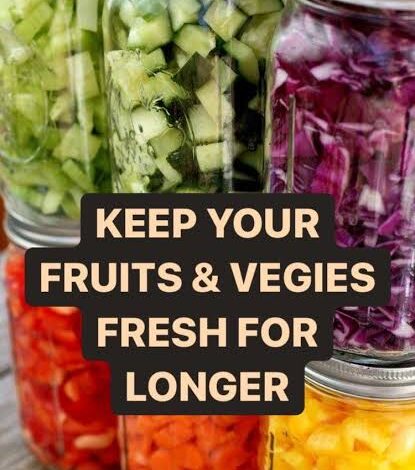
How to store fruits and vegetables the right way can keep groceries fresh longer, cut food waste, and make healthy meals easier.
How to Store Fruits and Vegetables: Quick Answer
The secret to fresh produce is knowing what to refrigerate, what to leave out, and what to keep apart. Some fruits and vegetables belong in the fridge, others last better on the counter, and a few give off a gas that ripens everything nearby too fast. Store them right, and your produce lasts far longer. Store them wrong, and it spoils in days. Here is how to store fruits and vegetables so they stay fresh, and stop so much of your food from ending up in the trash.
Throwing out slimy greens and mushy fruit is frustrating and expensive. The Environmental Protection Agency estimates Americans waste around $728 of food per person each year, and produce is a big part of that. A few simple storage habits fix most of it, and none of them cost a thing. Let us get into them.
How to Store Produce (Quick Answer)
The basic rules:
Keep some produce in the fridge, some on the counter
Store ethylene-producing fruits away from other produce
Do not wash produce until you are ready to use it
Keep produce dry, since moisture speeds spoilage
Store potatoes, onions, and garlic in a cool, dark, dry place
Get these right and your fruits and vegetables last much longer, sometimes double the time you are used to.
The Fridge vs Counter Rule
The first thing to learn is what goes in the fridge and what stays out. Getting this wrong is why produce spoils fast.
Some produce, like berries, leafy greens, carrots, and broccoli, belongs in the fridge to stay fresh. Others, like tomatoes, bananas, and potatoes, do better at room temperature and can lose flavor or texture in the cold. And some fruits, like unripe avocados and peaches, should ripen on the counter first, then move to the fridge once ripe to slow them down.
Do Not Wash Until You Are Ready
One of the most common mistakes is washing all your produce as soon as you get home. It feels tidy, but it actually shortens the life of your fruits and vegetables.
The extra moisture left behind speeds up spoilage and encourages mold, especially on delicate items like berries and greens. Instead, wash produce only right before you eat or cook it. If you do prewash something for convenience, dry it thoroughly first and store it with a paper towel to absorb moisture. Keeping produce dry until the moment you use it is one of the easiest ways to make it last, and it costs nothing to do.
Understand Ethylene Gas
Here is a trick that surprises most people. Some fruits give off a natural gas called ethylene, which speeds up ripening. Keep these away from other produce, or everything nearby ripens and rots faster.
Big ethylene producers include bananas, apples, avocados, and tomatoes. Store them separately from ethylene-sensitive items like leafy greens, broccoli, and berries. You can even use this to your advantage: to ripen an avocado faster, pop it in a bag with a banana. But most of the time, keeping ethylene producers apart is what keeps the rest of your produce fresh.
Keep Produce Dry
Moisture is the enemy of fresh produce. Excess water makes fruits and vegetables spoil and grow mold much faster.
Do not wash produce until you are about to use it
Dry any produce well if you do wash it
Store leafy greens with a paper towel to absorb moisture
Keep berries dry, and only rinse right before eating
Do not store produce in sealed, wet containers
A damp environment turns greens slimy and berries moldy in no time. Keeping things dry is one of the simplest ways to make produce last.
Store Potatoes, Onions, and Garlic Right
These pantry staples have their own rules, and getting them right saves a lot of waste.
Store potatoes, onions, and garlic in a cool, dark, dry place, like a pantry or cupboard, not the fridge. The cold turns potatoes gritty and sweet. Keep potatoes away from onions, since onions give off moisture and gas that make potatoes sprout faster. Give them some air rather than a sealed bag. Done right, these staples last for weeks.
Why Cutting Food Waste Matters
It is worth pausing on why all this matters beyond just fresher salads. Wasted produce is wasted money and wasted resources.
When you throw out spoiled fruits and vegetables, you are throwing away the money you paid for them, and given how much food the average household wastes, that adds up fast over a year. There is an environmental cost too, since all the water, energy, and effort that went into growing and transporting that food is wasted along with it. Storing your produce well is a small habit with a real payoff: more money in your pocket, less in the trash, and better meals in between. Every item you use instead of toss is a small win.
Item-by-Item Storage Tips
Here are a few specifics that make a real difference.
| Keep in the fridge | Keep on the counter |
|---|---|
| Berries and grapes | Bananas |
| Leafy greens | Tomatoes |
| Carrots and broccoli | Potatoes and onions |
| Apples (last longer cold) | Avocados (until ripe) |
| Most cut produce | Whole melons (until cut) |
Leafy greens: fridge, with a paper towel to catch moisture
Berries: fridge, dry, unwashed until eating
Bananas: counter, away from other fruit
Tomatoes: counter, never the fridge, for best flavor
Herbs: treat like flowers, in a jar of water
Carrots: fridge, in a bag to keep them from drying out
Freeze Produce Before It Goes Bad
Here is a simple rescue for produce you will not use in time. Rather than letting it spoil, freeze it. This saves food and money.
Many fruits and vegetables freeze well. You can freeze berries, chopped peppers, spinach, bananas, and much more. Ripe bananas are perfect for freezing and later using in smoothies or baking. For most vegetables, a quick blanch in boiling water before freezing helps them keep their color and texture. Frozen produce is just as nutritious as fresh, and it means the fruit and veg you bought never goes to waste. When you see something about to turn, freeze it rather than tossing it.
Frequently Asked Questions
How do I keep fruits and vegetables fresh longer? Store some in the fridge and some on the counter, keep ethylene-producing fruits away from other produce, and keep everything dry. Do not wash produce until you are ready to use it. These habits make produce last far longer.
What fruits and vegetables should not go in the fridge? Tomatoes, bananas, potatoes, onions, garlic, and whole melons do better at room temperature. Unripe avocados and peaches should ripen on the counter first, then move to the fridge once ripe.
What is ethylene gas? Ethylene is a natural gas some fruits release that speeds up ripening. Bananas, apples, avocados, and tomatoes are big producers. Keep them away from ethylene-sensitive items like greens and berries to stop everything ripening too fast.
Why does my produce go bad so quickly? Usually from wrong storage or too much moisture. Refrigerating what should stay out, or the reverse, and storing produce wet both speed spoilage. Keep produce dry and store each item where it belongs.
Rearrange Your Produce Today
Take five minutes to sort your fruits and vegetables the right way. Move the tomatoes and bananas to the counter, keep berries and greens dry in the fridge, and separate the bananas and apples from everything else. These small changes stop produce spoiling early and cut your food waste. Knowing how to store fruits and vegetables saves you money every week. Rearrange yours now, and watch it last longer. Once these habits become automatic, you will be surprised how rarely you have to throw produce away.
How to Store Fruits and Vegetables: Final Takeaway
Knowing how to store fruits and vegetables means using cold air, dry containers, and smart separation so each item stays fresh as long as possible.
Use a weekly meal-prep routine and these ways to lower your grocery bill to make the most of your produce. Learn more about food-waste reduction from the Environmental Protection Agency.
Produce Storage Questions
How to store fruits and vegetables well starts with separating ethylene-producing fruits from sensitive produce.
Learning how to store fruits and vegetables in a consistent way makes it easier to use every grocery item before it spoils.