

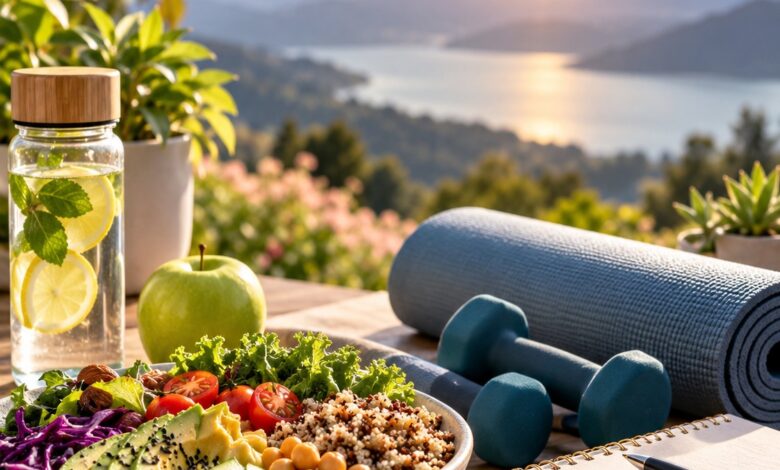
Living a healthy life is not about following a perfect diet or spending hours at the gym every day. A healthy lifestyle is built from simple choices that you can maintain over time.
Your food choices, physical activity, sleep, stress levels, social connections, and daily routines can all influence how you feel.
The good news is that you do not need to change everything at once. Small improvements can gradually become long-term habits.
In this guide, we will look at the main areas of a healthy lifestyle and explain simple ways to include them in your everyday routine.
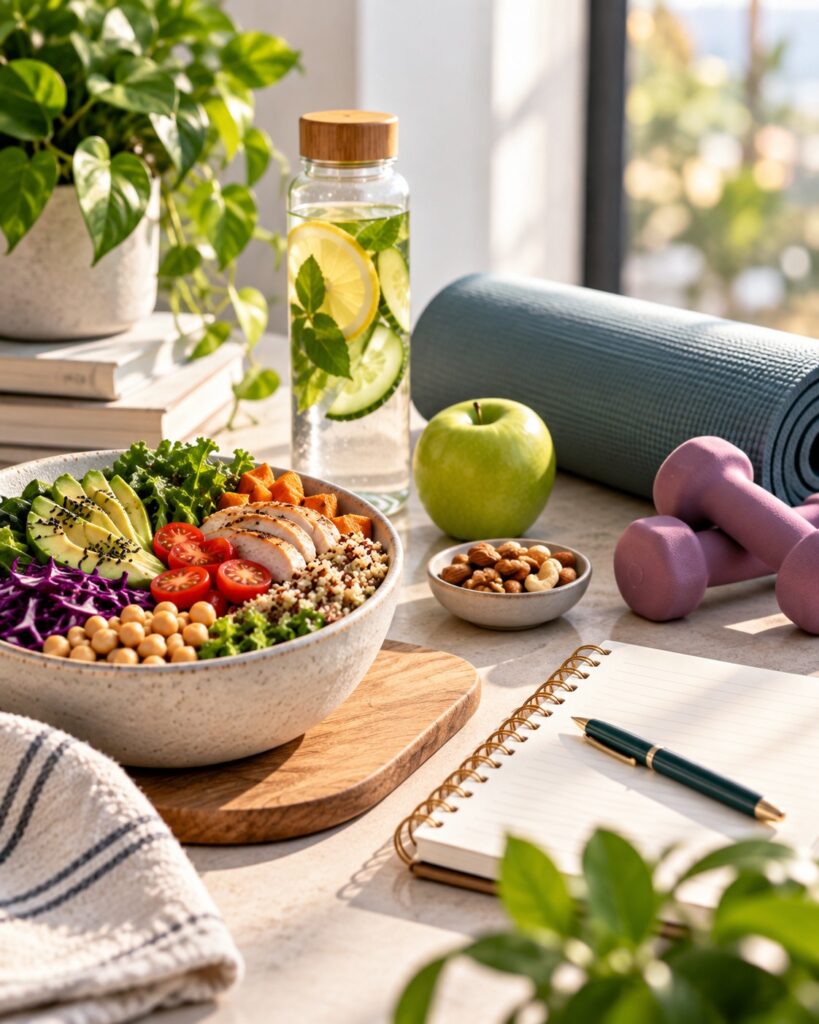
1. Eat a Balanced and Nutritious Diet
Food provides the energy and nutrients your body needs to function. A balanced diet should include a variety of foods rather than focusing on one particular food group.
Include More Whole Foods
Try to include a variety of:
- Vegetables
- Fruits
- Whole grains
- Beans and lentils
- Nuts and seeds
- Eggs
- Fish, poultry, or other protein sources
- Dairy or suitable alternatives
Different foods provide different nutrients, so variety is important.
Limit Highly Processed Foods
Processed foods are not automatically unhealthy, but consuming large amounts of foods high in added sugar, salt, or saturated fat may make it harder to maintain a balanced diet.
Instead of trying to eliminate every treat, focus on overall eating patterns.
Make Healthy Eating Practical
A simple meal can include a source of protein, vegetables or fruit, and a suitable carbohydrate or whole-grain food.
Planning meals ahead can also reduce the temptation to rely on convenient foods when you are busy.
2. Stay Physically Active
Physical activity is another important part of a healthy lifestyle.
Exercise does not have to mean intense gym workouts. Walking, cycling, swimming, dancing, household activities, and recreational sports can all contribute to physical activity.
Choose Activities You Enjoy
The best activity is often one that you can continue consistently.
You could try:
- Brisk walking
- Cycling
- Swimming
- Jogging
- Strength training
- Yoga
- Dancing
- Recreational sports
Adults are generally advised to get regular aerobic physical activity and muscle-strengthening activity each week. The exact amount and type should be appropriate for your age, fitness level, and health circumstances.
Avoid Sitting for Long Periods
If you work at a desk, take short movement breaks throughout the day.
Simple actions such as standing, walking around the room, or stretching can help you avoid remaining in the same position for extended periods.
3. Get Enough Quality Sleep
Sleep is sometimes overlooked when people talk about healthy living, but it is an essential part of overall well-being.
Most adults need around 7–9 hours of sleep per night, although individual needs can vary.
Create a Consistent Sleep Schedule
Try going to bed and waking up at approximately the same time each day.
A consistent schedule can help establish a predictable sleep routine.
Build a Relaxing Bedtime Routine
You can make the transition to sleep easier by:
- Reducing unnecessary screen use before bed
- Keeping your bedroom comfortable
- Avoiding heavy meals immediately before sleeping
- Limiting caffeine later in the day if it affects your sleep
- Following a relaxing evening routine
If you regularly have difficulty sleeping, consider discussing the problem with a healthcare professional.
4. Drink Enough Water
Hydration is another basic part of healthy living.
Your body needs water for many normal functions, and fluid requirements can vary depending on factors such as weather, activity level, diet, and individual circumstances.
Make Water Easy to Access
Keep a reusable water bottle nearby during the day.
You can also get fluids from certain foods and other beverages, although water is a simple everyday choice.
Signs You May Need More Fluids
Thirst can be one indication that you need to drink. Urine color can also provide a general clue about hydration, although it is not a perfect measurement.
People who exercise heavily, work in hot environments, or have certain medical conditions may have different hydration needs.
5. Manage Stress and Support Mental Well-Being
A healthy lifestyle is not only about physical health. Mental and emotional well-being are also important.
Everyone experiences stress, but finding healthy ways to manage it can make daily life easier.
Try Simple Stress-Management Activities
Depending on your preferences, you might try:
- Walking outdoors
- Reading
- Listening to music
- Deep breathing
- Meditation
- Spending time with friends or family
- Journaling
- Hobbies
- Taking short breaks during busy days
You do not need to spend hours on these activities. Even a few minutes of intentional relaxation can provide a useful break from daily responsibilities.
Know When to Seek Support
If stress, anxiety, low mood, or other emotional difficulties are persistent or interfere with everyday life, consider talking to a qualified mental-health professional.
Seeking support is a normal part of taking care of your well-being.
6. Build Healthy Social Connections
Human beings are social, and relationships can play an important role in overall well-being.
Spending time with supportive family members, friends, colleagues, or community groups can provide companionship and a sense of connection.
Make Time for Relationships
You can maintain social connections through simple activities:
- Having a meal together
- Calling a friend
- Taking a walk with someone
- Joining a community activity
- Spending quality time with family
- Participating in a hobby group
A healthy lifestyle should leave room for relationships and enjoyable experiences, not just diet and exercise.
7. Avoid Harmful Habits
Healthy living also involves reducing behaviors that can negatively affect your health.
Avoid Smoking and Tobacco
Smoking is associated with serious health risks. If you smoke, quitting can be an important step toward better health.
Professional support, counseling, and approved cessation treatments may help people who want to quit.
Limit Alcohol Where Appropriate
Alcohol can affect health in several ways, and drinking less generally reduces alcohol-related risks.
If you do not drink alcohol, there is no health reason to start.
Be Careful With Unverified Health Trends
Social media can promote extreme diets, detox programs, supplements, and quick-fix health solutions.
Before making major changes, check whether the information comes from a reliable health authority or qualified professional.
8. Maintain Good Personal Hygiene
Personal hygiene is another practical part of healthy living.
Simple habits include:
- Washing your hands regularly
- Brushing your teeth twice a day
- Showering or bathing regularly
- Keeping clothes clean
- Taking care of your oral health
- Keeping your living environment reasonably clean
These habits can support personal comfort and help reduce the spread of certain infections.
9. Get Regular Health Checkups
Preventive healthcare can help identify certain health issues before they become more serious.
The appropriate checkups depend on your age, sex, family history, risk factors, and individual health needs.
Keep Track of Preventive Care
Depending on your circumstances, this may include:
- Routine medical appointments
- Dental checkups
- Eye examinations
- Recommended vaccinations
- Blood pressure checks
- Age-appropriate health screenings
Speak with a healthcare professional about which preventive services are appropriate for you.
Healthy Lifestyle: Quick Comparison Table
| Area | Healthy Habit | Simple Example |
|---|---|---|
| Nutrition | Eat a varied diet | Add vegetables and fruit to meals |
| Exercise | Move regularly | Take a daily walk |
| Sleep | Maintain a regular schedule | Keep a consistent bedtime |
| Hydration | Drink fluids regularly | Carry a water bottle |
| Stress | Take time to relax | Read or practice breathing |
| Relationships | Stay socially connected | Call family or friends |
| Harmful habits | Reduce health risks | Avoid smoking |
| Hygiene | Maintain cleanliness | Brush teeth twice daily |
| Prevention | Attend appropriate checkups | Follow professional advice |
How to Start a Healthy Lifestyle
Trying to change every habit at once can feel overwhelming.
Instead, choose two or three realistic changes.
For example:
Week 1: Improve Breakfast
Add a nutritious food such as fruit, eggs, yogurt, or whole grains.
Week 2: Add More Movement
Take a 20–30 minute walk on several days of the week, adjusting the amount to your fitness level.
Week 3: Improve Sleep
Set a consistent bedtime and reduce unnecessary screen use before sleeping.
Week 4: Focus on Stress
Add a short relaxing activity to your evening routine.
Once these habits become easier, you can gradually introduce additional changes.
Healthy Lifestyle vs. Quick-Fix Health Trends
A sustainable approach is usually more useful than an extreme short-term challenge.
| Sustainable Healthy Living | Quick-Fix Approach |
|---|---|
| Balanced meals | Extreme restriction |
| Regular activity | Occasional intense workouts |
| Consistent sleep | Trying to recover sleep irregularly |
| Long-term habits | Short-term challenges |
| Evidence-based information | Unverified social-media claims |
| Gradual progress | Expecting instant results |
The goal is not perfection. The goal is to develop habits that fit your real life.
Frequently Asked Questions
What does a healthy lifestyle include?
A healthy lifestyle includes balanced nutrition, regular physical activity, sufficient sleep, hydration, stress management, healthy relationships, good hygiene, avoiding harmful habits, and appropriate preventive healthcare.
What is the most important part of a healthy lifestyle?
There is no single habit that is most important for everyone. A combination of nutritious food, regular movement, adequate sleep, mental well-being, and preventive care provides a more complete approach.
How can I start living a healthier lifestyle?
Start with small, realistic changes. You could begin by improving one meal, taking regular walks, creating a consistent bedtime, or drinking more water.
How much exercise should I get?
Recommended activity levels vary by age and individual circumstances. Adults are generally encouraged to get regular aerobic activity along with muscle-strengthening activity each week. If you have health concerns or are new to exercise, consult a healthcare professional about an appropriate plan.
Can a healthy lifestyle improve energy levels?
Healthy habits such as adequate sleep, balanced nutrition, regular physical activity, and proper hydration can support normal energy and overall well-being. However, persistent or unexplained tiredness should be discussed with a healthcare professional.
Do I need to follow a strict diet?
No. A healthy eating pattern does not necessarily require extreme restrictions. Focus on variety, balanced meals, appropriate portions, and mostly nutritious foods that you can maintain long term.
Is mental health part of a healthy lifestyle?
Yes. Mental and emotional well-being are important components of overall health. Stress management, social connections, relaxation, hobbies, and professional support when needed can all play a role.
Conclusion
A healthy lifestyle is not about being perfect or following complicated rules. It is about making practical choices that support your physical and mental well-being over time.
Eating a balanced diet, staying active, getting enough sleep, drinking enough fluids, managing stress, maintaining relationships, avoiding harmful habits, practicing good hygiene, and receiving appropriate preventive care can all contribute to healthier living.
The best approach is to start small. Choose a few habits that fit your daily routine and build from there. Consistency is often more valuable than trying to make dramatic changes overnight.
Healthy living is a long-term journey, not a short-term challenge.